RTK Modules for Drones
Compare RTK modules and RTK GPS for drones from Chinese manufacturers by GNSS chipset, signal bands, heading support and flight controller interface.
RTK modules only, for centimetre-level positioning with correction data; standard GPS modules and base stations stay on the drone GPS page. Listings include rover modules for flight controllers, dual-antenna heading modules and RTK GNSS boards for integration.
Quick selection guide
Mapping and survey
A multi-band rover module supported by your flight controller, plus a base station or network correction source.
Heading without a compass
Dual-antenna modules measure heading from the two antennas, which helps near magnetic interference.
Own hardware
RTK GNSS boards for engineers building their own receiver or flight controller.
Dual-antenna heading modules
View all 14 →Dual-antenna modules and boards that give position and heading.
14 products from 8 manufacturers
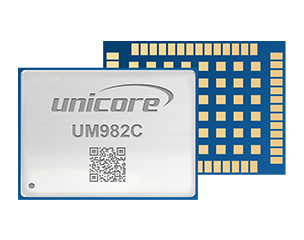
Unicore UM982C GNSS Module
- RTK accuracy
- Horizontal: 0.8 cm + 1 ppm; vertical: 1.5 cm + 1 ppm
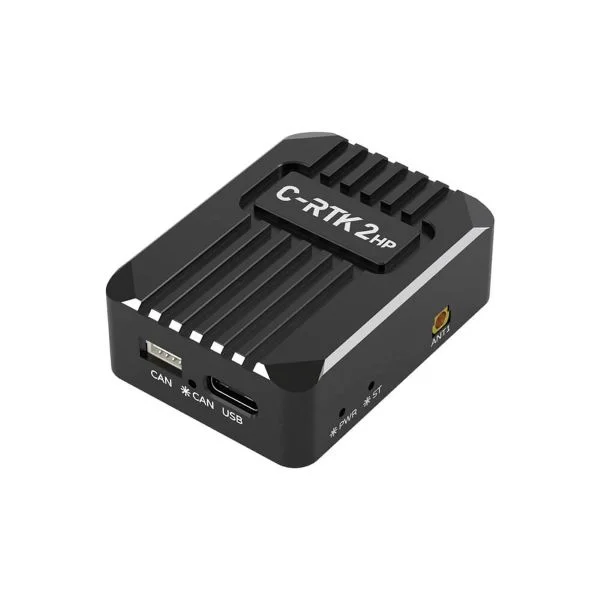
CUAV C-RTK 2HP RTK Module
- RTK positioning accuracy
- Horizontal: 0.8 cm+1PPM; elevation: 1.5 cm+1PPM
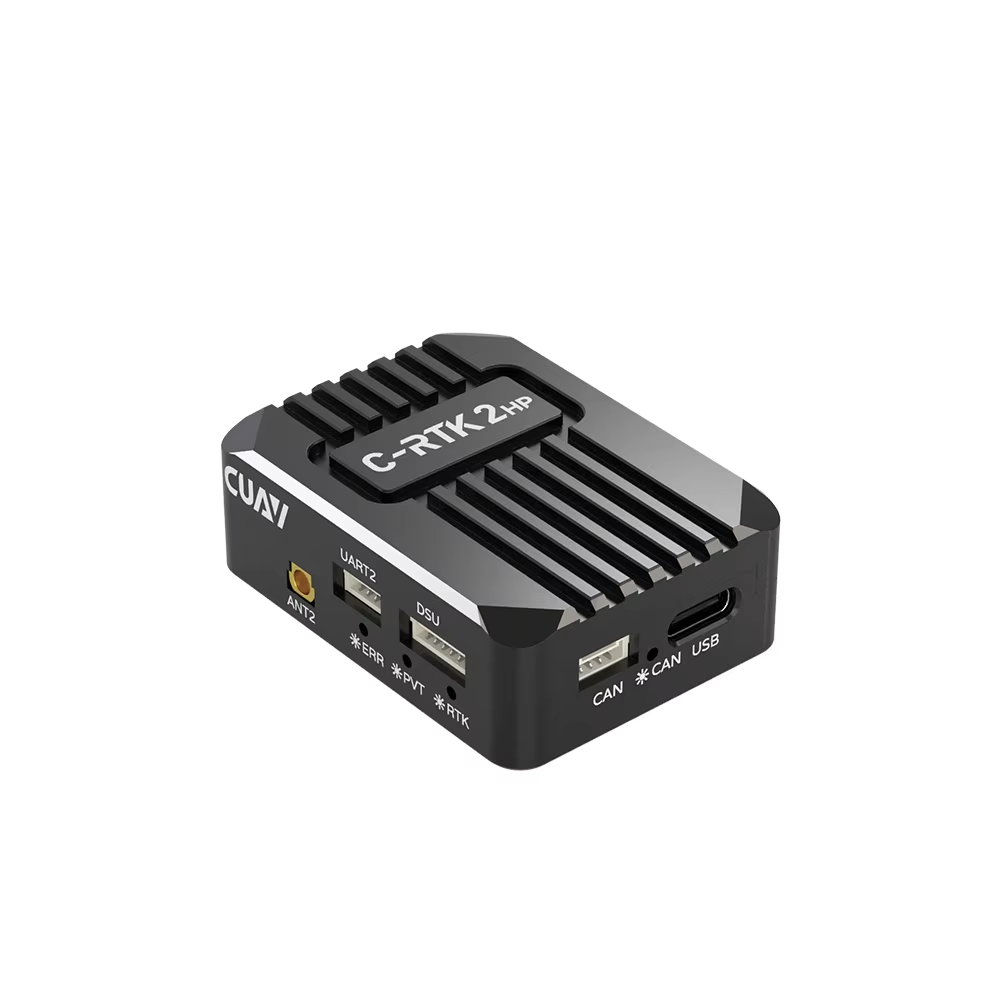
ZHTAERO C-RTK 2HP RTK Module
Tengxiang TX-RT005 Waterproof High Precision Rtk Dual Antenna Module
RTK GNSS boards
View all 5 →RTK GNSS boards and modules for integration into your own hardware.
5 products from 1 manufacturers
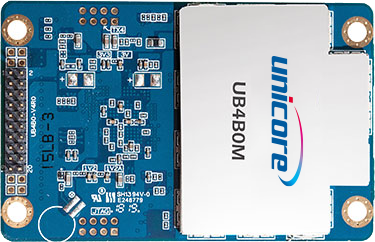
Unicore UB4B0M GNSS Module
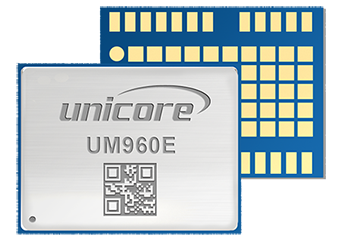
Unicore UM960E GNSS Module
- Supply voltage
- 3.0–3.6 V DC
- Weight
- 1.08 g ± 0.03 g
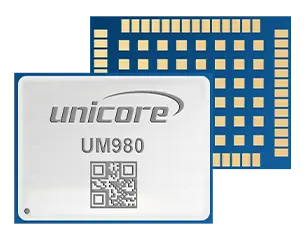
Unicore UM980 GNSS Module
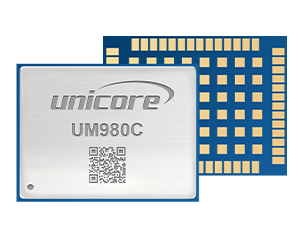
Unicore UM980C GNSS Module
- Frequencies
- GPS: L1C/A, L1C, L2C, L2P(Y), L5; BDS: B1I, B3I, B1C, B2a, B2b; GLONASS: G1, G2; Galileo: E1, E5a, E5b, E6; QZSS: L1C/A, L1C, L2C, L5, L6; NavIC: L5; SBAS: L1C/A; L-Band.
RTK rover modules
View all 21 →RTK rover modules that connect to a flight controller.
21 products from 8 manufacturers
Compare RTK modules specifications
Key figures for 3 of these products, as stated by each manufacturer, with their test conditions where given. Maximum, rated and cruise figures are listed separately.
| Model | RTK accuracy | Update rate | Initialization time | Supply voltage | Weight |
|---|---|---|---|---|---|
| Unicore UM960E GNSS Module | Horizontal: 0.8 cm + 1 ppm; vertical: 1.5…RMS | 20 HzPositioning | Less than 5 sTypical | 3.0–3.6 V DC | 1.08 g ± 0.03 g |
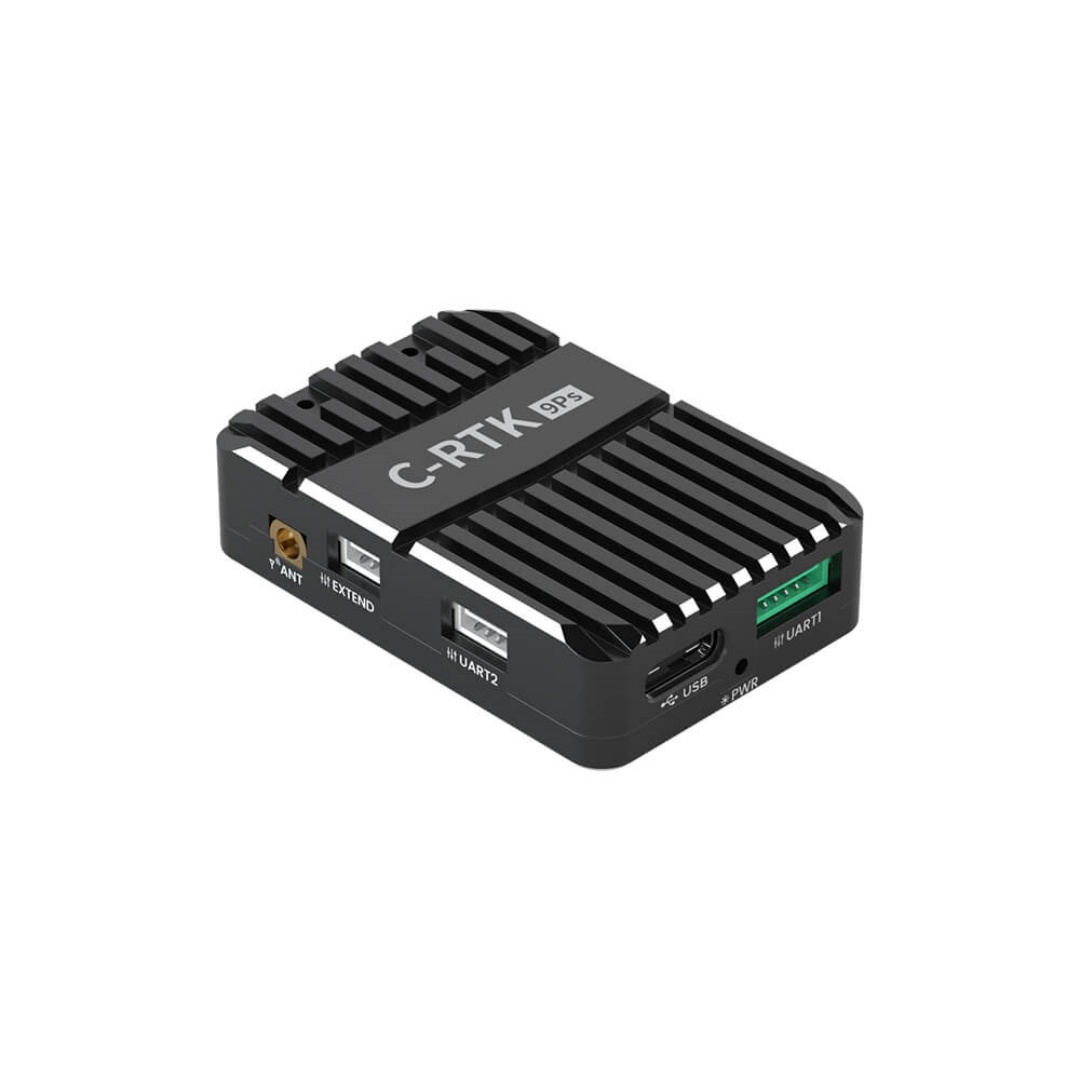
| CUAV C-RTK 2 PPK Module | – | – | – | 4.5–6 V | 39 g |
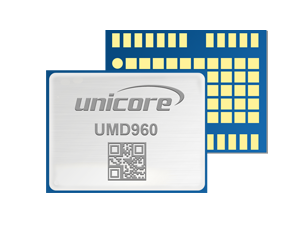
| Unicore UMD960 GNSS Module | Horizontal: 0.8 cm + 1 ppm; vertical: 1.5…RMS | 20 HzRTK positioning output | Less than 5 sTypical value | – | 1.11 ± 0.03 g |
What to check before you buy
- GNSS signals
- Check the constellations and frequency bands for the exact module and firmware.
- Corrections
- Confirm the correction formats it accepts and how corrections reach it: telemetry radio, network or base station.
- Flight controller
- Check the interface (UART or DroneCAN), the protocol and support in your PX4 or ArduPilot version.
- Antennas
- Check antenna bands, connector, cable and mounting; dual-antenna heading needs enough spacing between the antennas.
- Accuracy figures
- Compare RTK accuracy, update rate and fix time together with the conditions the manufacturer states.
RTK modules FAQ
Does an RTK module work on its own?
No. It needs correction data from a base station or a network service, as well as a clear view of the satellites.
Can one module give position and heading?
Yes, if it is a dual-antenna heading module with both antennas fitted and the flight controller set to use GNSS heading.
What should I send with an integration enquiry?
The flight controller and firmware, free interfaces, correction source, antenna layout and operating environment.


