Chinese Drones, Drone Parts & Manufacturers
Compare Chinese drone brands and products, and let our team handle sourcing and export.
What product do you need?
Our team replies on your channel.
- in China's drone industry
- 15 years
- Chinese drone brands
- 1,388
- products listed
- 12,107
- product categories
- 150
How our team helps buyers
- Find the right makerWe match your requirement with suitable Chinese manufacturers and models.
- Inspection & factory auditsWe inspect goods before shipment and audit factories.
- Export logisticsWe arrange export shipping, including dangerous-goods transport for batteries and the documents it requires.
- Sample ordersWe purchase samples for you before a volume order.
Popular categories
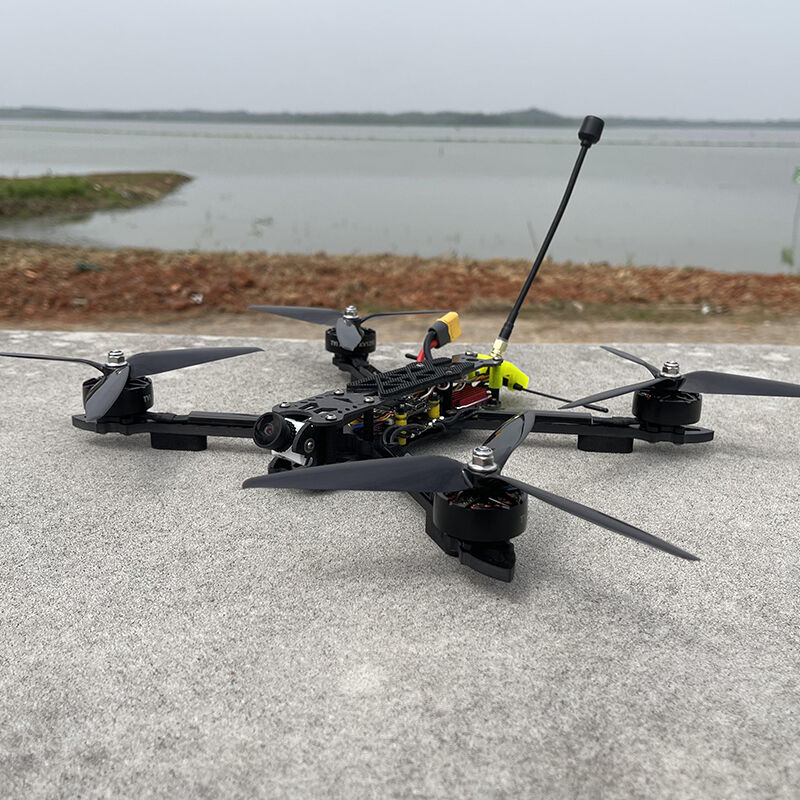
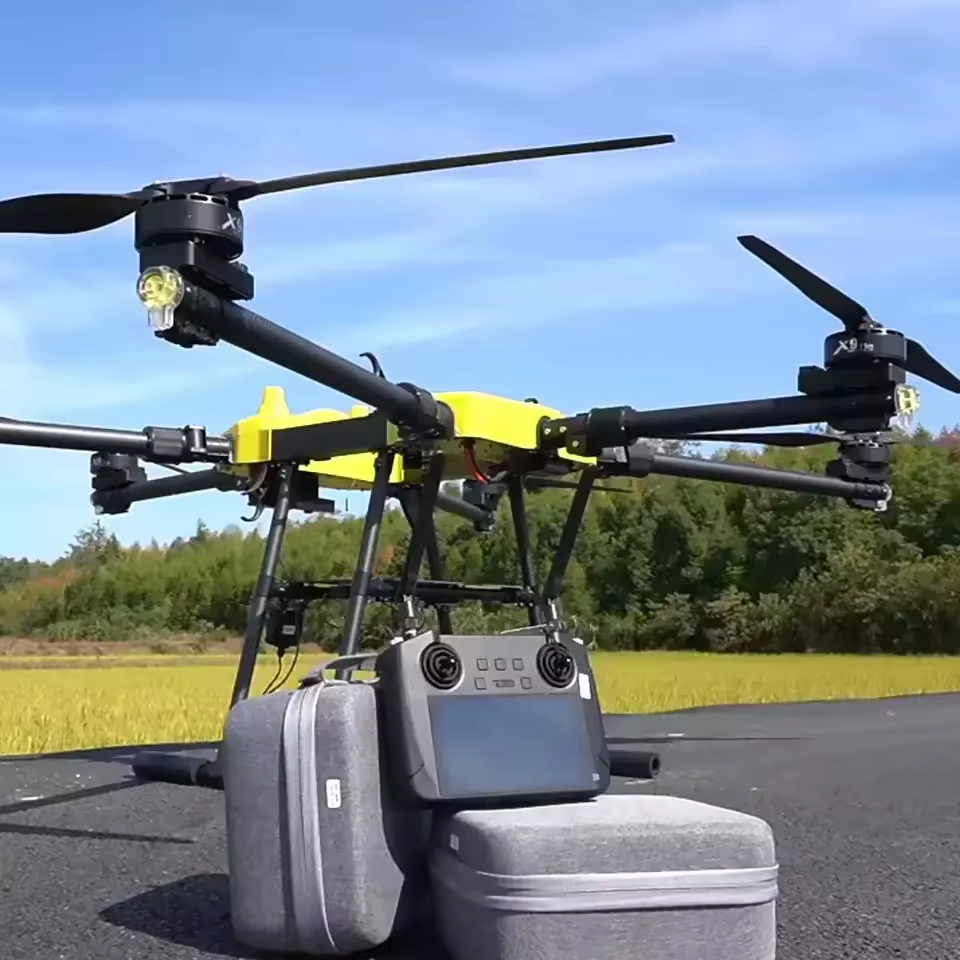
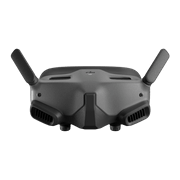
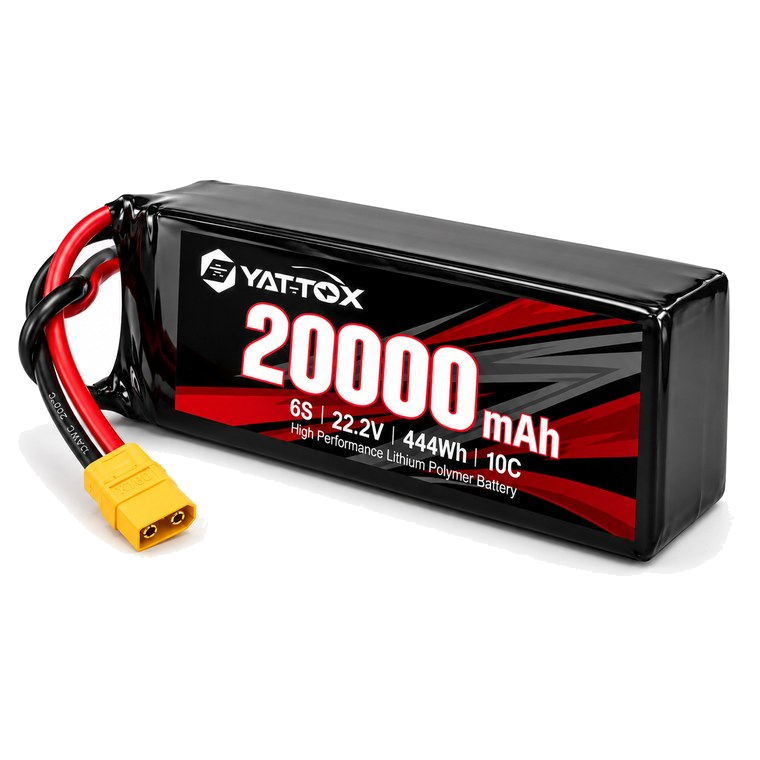
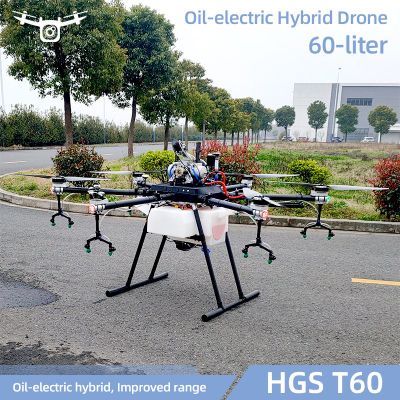
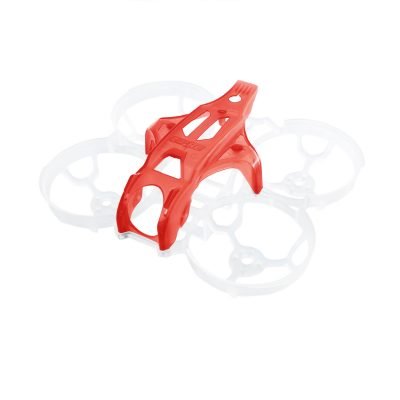
Top Chinese brands
All 1388 brands →


Popular brands
Browse manufacturers A–Z →- DJI 203 products
- GEPRC 425 products
- Autel 38 products
- T-MOTOR 598 products
- JOUAV 44 products
- EMAX 186 products
- HOBBYWING 243 products
- Caddx 72 products
- Holybro 114 products
- MAD 484 products
- XAG 70 products
- RadioMaster 43 products
- EAVISION 20 products
- SIYI 57 products
- BrotherHobby 127 products
- Scorpion 287 products
- Mugin 36 products
- Anjam 7 products
- Grepow 140 products
- Hexsoon 3 products
- iFlight 338 products
- EFT 27 products
- Axisflying 75 products
- CNHL 95 products
Featured products
All products →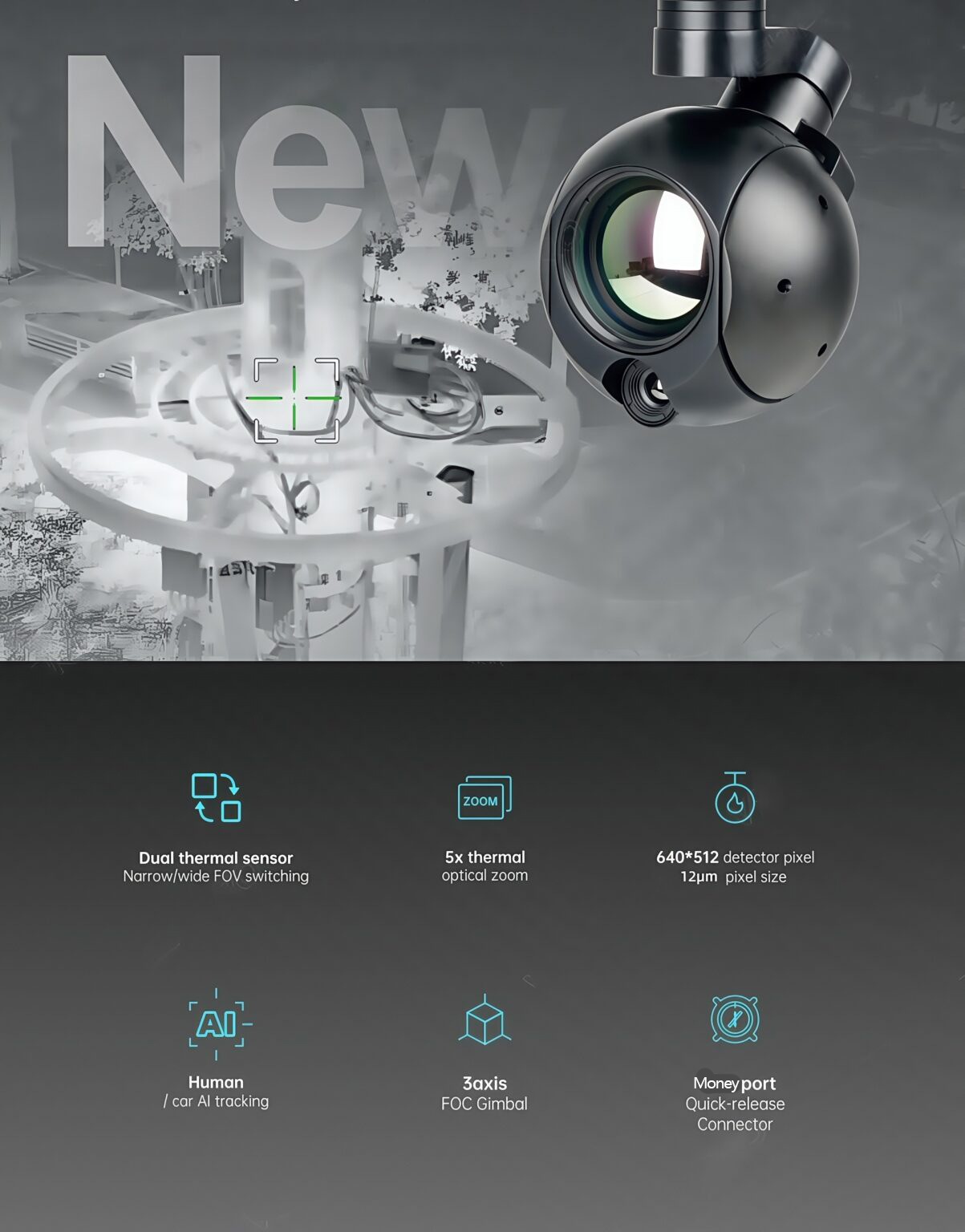
Drone camera
China Moneypro M9-50 Dual IR 5x Thermal Zoom FOV Flexibility Camera
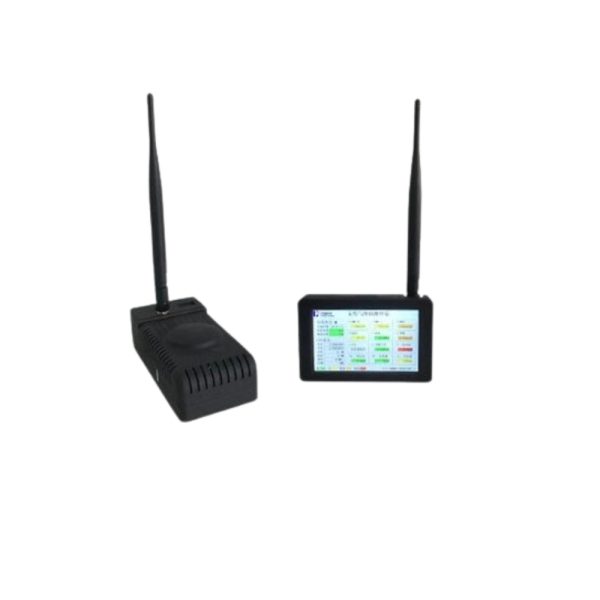
Payload & thermal camera
Skytech Atmospheric Monitoring
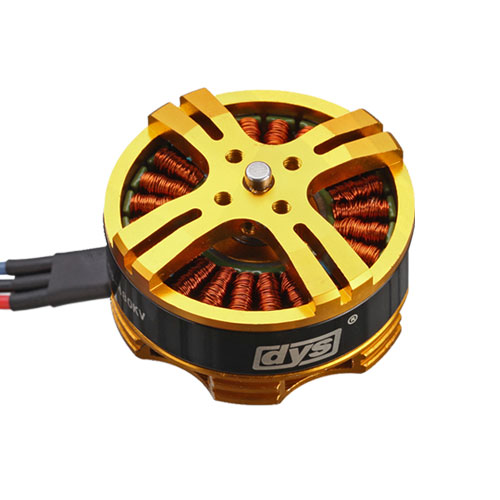
Payload & thermal camera
DYS BGM3608-70 gimbal brushless motor
- Motor weight
- 83 g
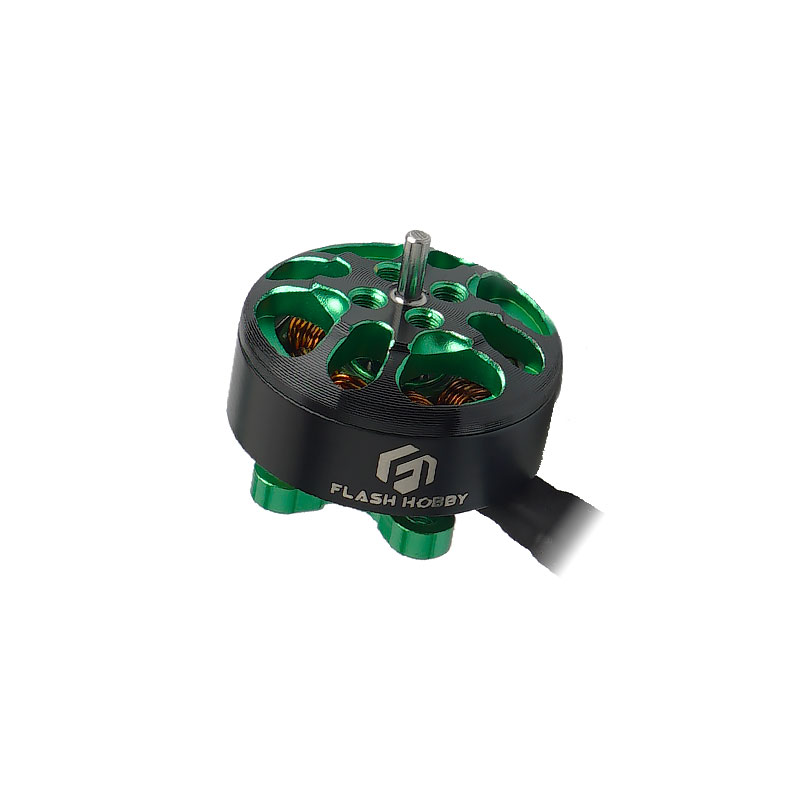
Drone motor
FlashHobby A1404 Brushless DC Motor
- KV options
- 2800 KV, 3800 KV, 4300 KV or 6000 KV; custom KV available
- Weight
- 9.3 g
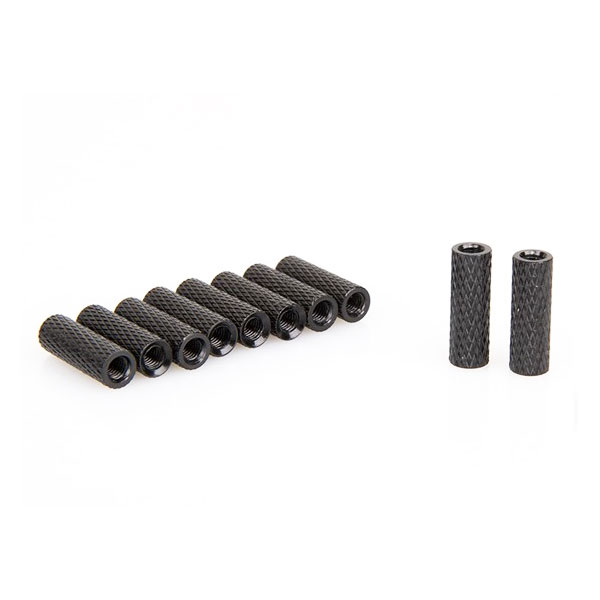
Frame & airframe
M3x15mm 18mm 30mm 35mm 38mm Aluminium Standoff Female/Femal Aluminum Textured Spacers (10pcs)
- Size
- M3x15 mm M3x18 mm M3x30 mm M3x35 mm M3x38 mm
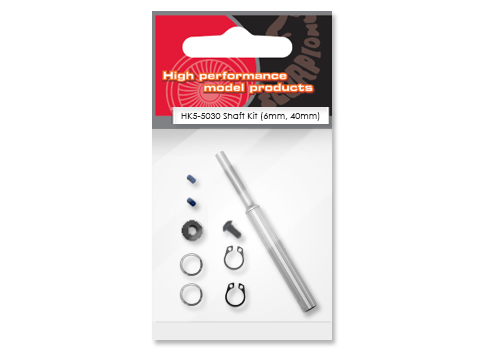
Motor, ESCs & propeller
Scorpion HK5-5030 Shaft Kit (6x40mm)
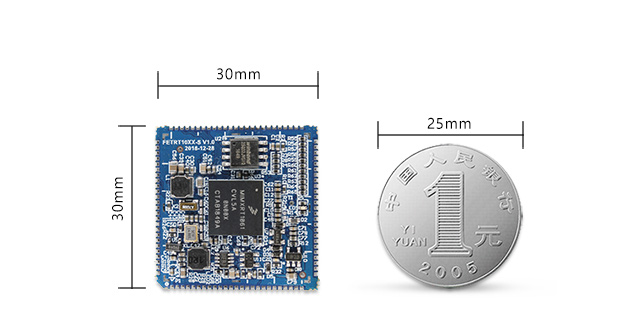
Component
FET1061-S Onboard Computer
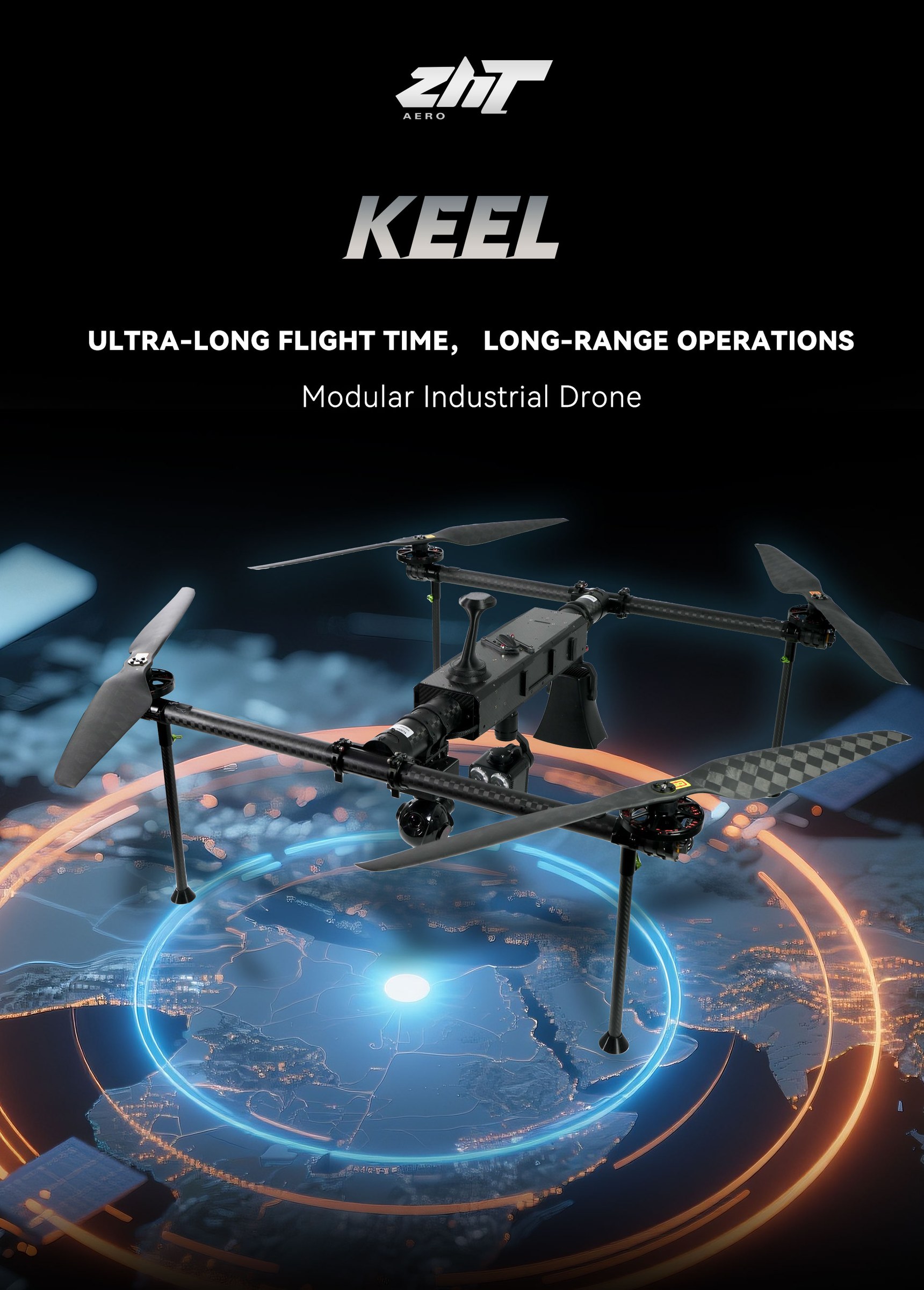
Aircraft
ZHTAERO KEEL Industrial Drone
- Flight time
- 120 to 160 min
More products
RadioMaster AG01 NANO CNC Hall Gimbals for Pocket RadioSKYRC B6 nanoAirfly Kitefly AF-W30MAD AMPX 120A (5-14S) Drone BLDC ESCT-MOTOR A6L modular propulsion systemBRDRC Lens Sunhood For DJI Air 3YANGDA Sky Whale Max AirframeGemfan F1608-2 PropellerCZI ML200-M350 Drone CaseUnicore UM680GEP-GR2306 1600kv motorsCNHL Long Range Series 6350mAh 14.4V 4S 21700 Li-ion Battery with XT60 PlugManiaX 3S-11.1V 650mAh 100C FPV Racing Lipo BatteryRadioLink R12DS Radio ReceiverKimpok KP-T12A10Maytech 75V Convert to 5V UBEC DC-DC Module Power Supply for ReceiverAssaultintelligent CY-02 FPV DroneToolkitRC M6DACTattu 23000mAh 6S 22.8V 25C LiHv Pouch Cell UAV BatterySTARTRC Neck Strap with Bracket for DJI RC-N1/ N2/N3 Remote Control
Industry news
All news →Buying Chinese drones and parts
Start with the equipment and support you need for the job. Use the catalogue to compare Chinese drones, parts and manufacturers, then evaluate the exact configuration and what it takes to put it to work. Buyers sourcing from China can use the same approach for a single aircraft, a repair or a repeat order.
| Browse the catalogue | Listed models |
|---|---|
| FPV drones | 181 |
| Drone GPS | 156 |
| Drone motor | 738 |
| Delivery drone | 21 |
| FPV goggles | 19 |
| Drone battery | 820 |
| Drone sprayer | 30 |
| Drone frame | 199 |
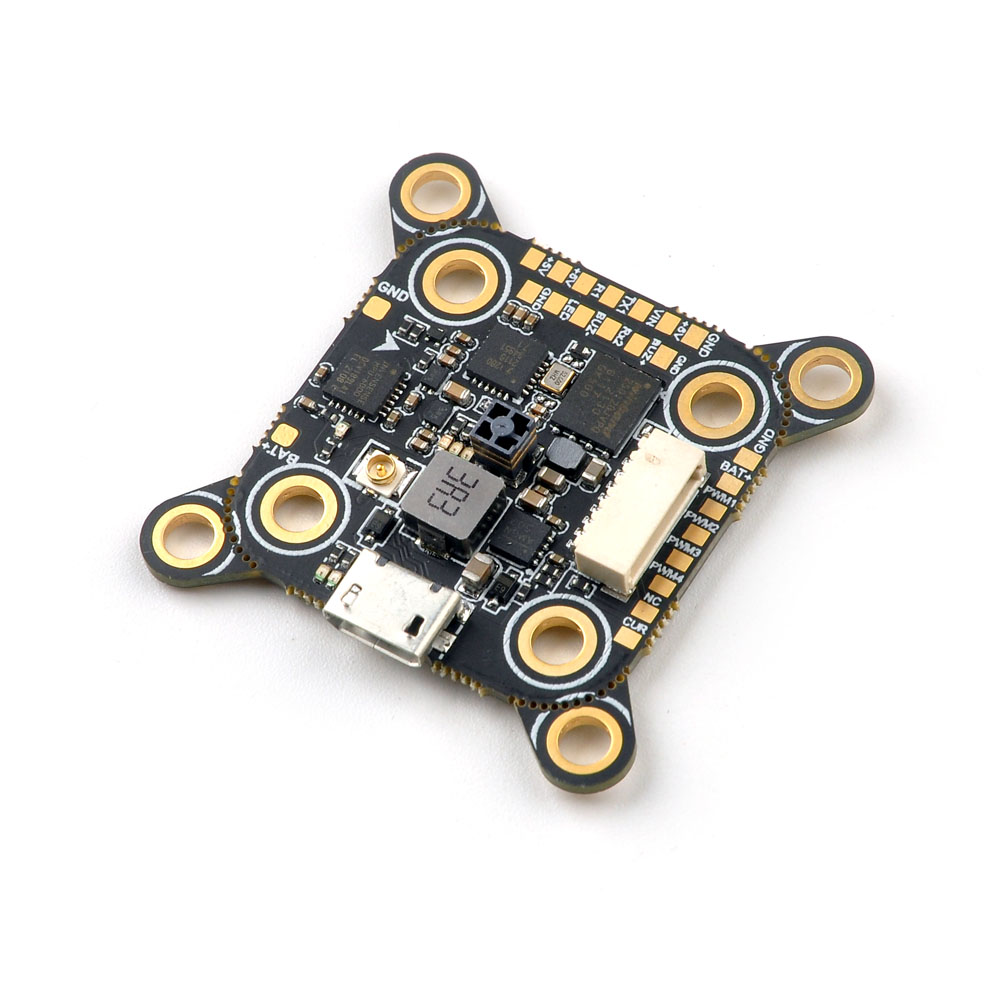
| Drone flight controller | 348 |
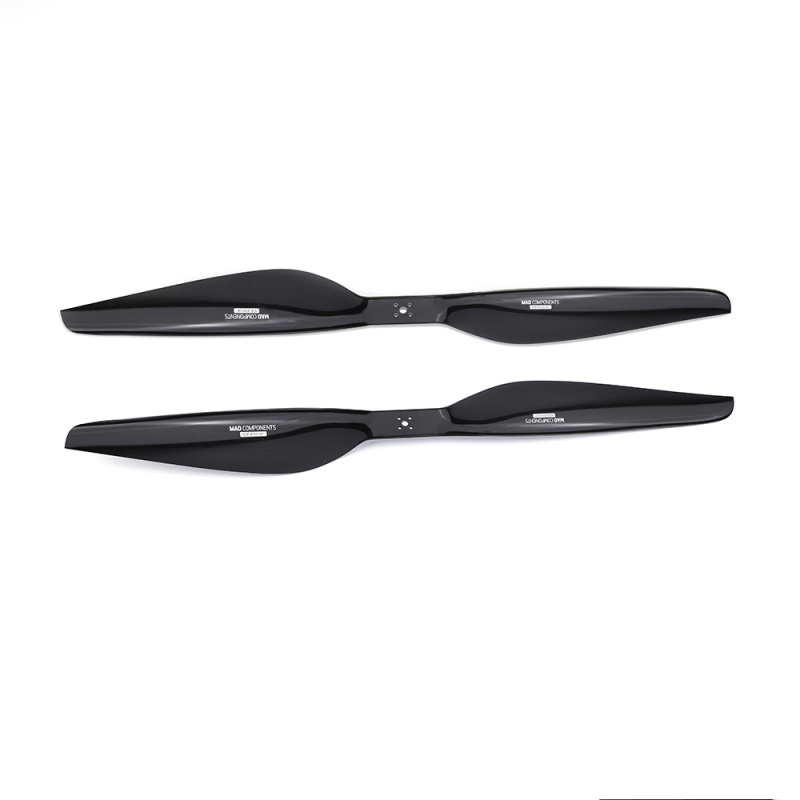
| Drone propeller | 354 |
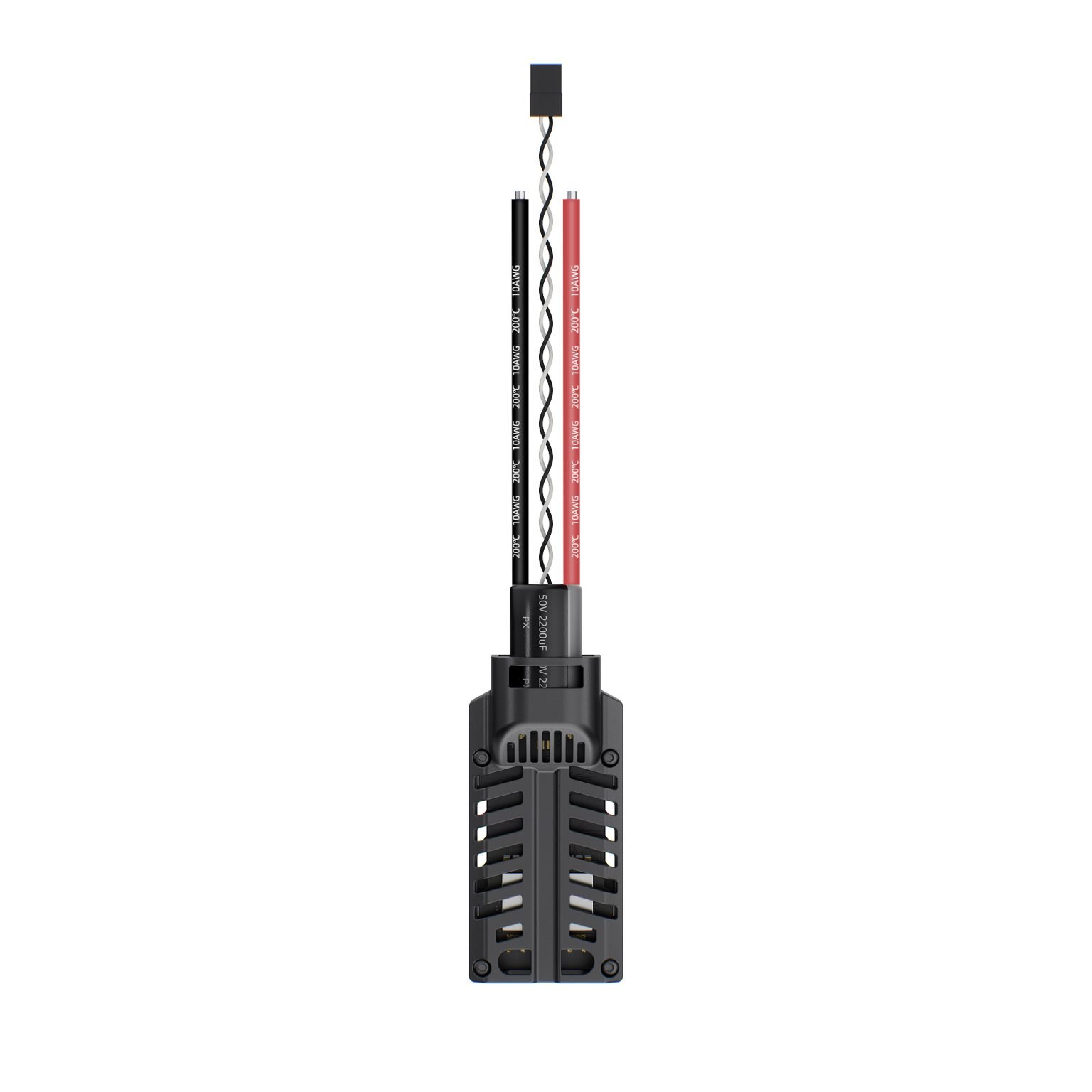
| Drone ESC | 332 |
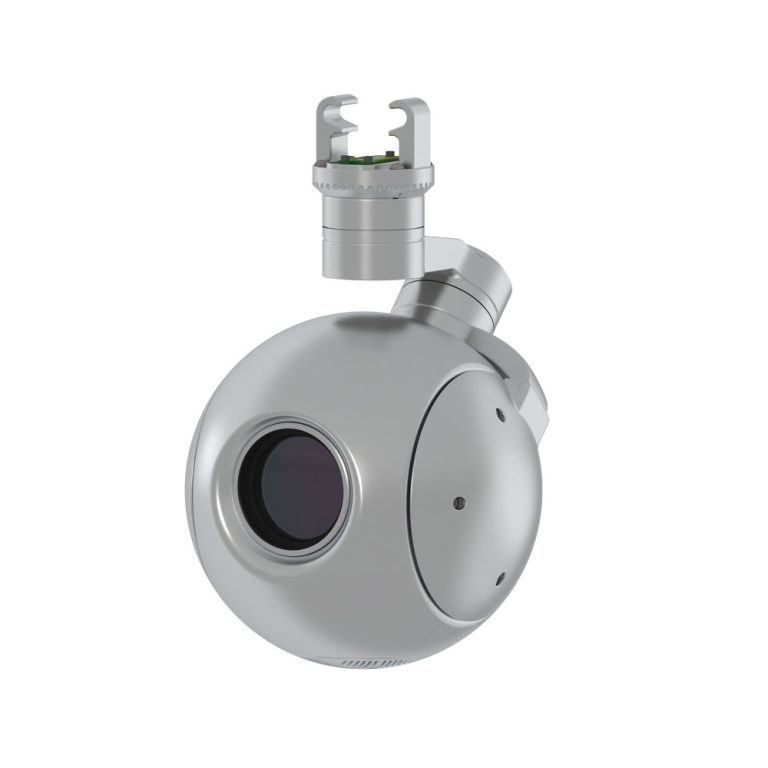
| Drone gimbal | 129 |
Counts show catalogue coverage. A model can appear in more than one group. Check the linked pages for model details and ask about availability for the required configuration.
Choose the aircraft around the job
For aerial photography, decide what you need to hand over after the flight. A photographer who travels between sites may put more weight on a compact case, quick setup and easy battery charging. A production crew may prioritize camera controls, capture formats and how easily the editor can work with the files. Check the exact controller and camera included in the package, whether the recording media is readily available at your destination, and who services the gimbal if it is damaged. If you already have an editing workflow, ask for sample files and open them in the software you use.
For FPV, first decide whether you want an assembled aircraft, a kit you can maintain, or a parts list you can build around an existing radio and goggles. Confirm the control protocol and video system separately. A complete package can simplify setup for a new buyer. An experienced builder may prefer a frame, motors and electronics with separately replaceable parts. Browse drone parts alongside the FPV build guide to see which details belong in the order. Keep an inventory of the exact revisions you use so later replacements fit.
For agriculture, distinguish field monitoring from application work. Monitoring starts with the imagery or data your farm team needs for a decision. For spraying or spreading, start with the crop, terrain, water supply, material handling and the crew available for refills and cleanup. Ask for a complete equipment list, including batteries, chargers, consumables and the parts exposed to wear. The drone applications directory is a starting point for comparing aircraft. Evaluate whether the crew can repeat the work across a full operating day, including the time spent preparing and cleaning the equipment.
For industrial inspection or mapping, work backwards from the report or dataset. Ask which sensor is needed, how it is mounted and what files will go into your processing or reporting software. A utility and a survey team can use similar aircraft while needing different lenses, positioning workflows and records. Start with the drone applications directory and test a representative asset or site with the intended payload. Review the files with the people who will interpret them. They may spot a missing timestamp, a format dependency or insufficient detail before it becomes an expensive fleet issue.
Set a budget for the operating kit
On a starter budget, buy the configuration needed to complete a defined job and repeat it under supervision. Put essentials such as a compatible controller, charging equipment and normal wear spares in the same comparison. Leave optional payloads and software features for a later purchase if there is a clear upgrade path. A buyer replacing a broken aircraft should check whether surviving accessories are actually supported by the new revision before assigning them a value in the budget. Compare the time needed to get the kit working as well as the list of items in the box.
With a working budget for regular assignments, put more weight on turnaround between flights, repeatable data capture and how repairs are handled. Include protective cases, charging at the work site, license renewals, training and storage if those are part of the workflow. Ask which accessories arrive with the aircraft and which must be sourced separately. When comparing different Chinese drones, write the same line items for each system. This makes it easier to find a missing charger, a required software subscription or a proprietary consumable before the order is placed.
For a fleet or an integration project, reserve budget for sample evaluation, assembly or integration work, acceptance testing and spare stock. Decide whether crews should share a common aircraft or whether certain jobs justify a specialist platform. Standardizing a battery and charger can simplify training and inventory, provided the approved configurations support each assignment. Estimate how a failed charger or a delayed part would affect operations. Give the purchasing team a list of parts that need to be stocked at each work site and a clear process for approving equivalent replacements.
Match the sourcing process to your order size
For an individual purchase, identity and support matter as much as features. Write down the full variant, intended destination and what must be in the box. Keep a record of the controller, battery and charger identifiers and ask which repairs can be handled locally. If you are importing privately, confirm who is responsible for clearance and documentation. The drone export shipping guide can help you frame those questions before choosing a delivery arrangement.
For a small team, make the first order a pilot with a named operator and a task the team can repeat. Record assembly time, data quality, ease of charging and how long it takes to obtain a replacement item. Capture feedback from the staff who receive the data and the people who maintain the kit. When you place the next order, specify the configuration that passed and retain the test notes. A pilot can also reveal which accessory to standardize and which differences between operators need separate training.
For distribution or OEM purchasing, make a specification that covers performance, packaging, documents, revisions and inspection. Ask who makes the product, who owns any custom tooling and which changes require your written approval. Confirm the destination, importer responsibilities and how disputed units will be identified by batch. Use the manufacturer directory to research the relevant product line and the China drone factory verification guide to prepare questions. If the business depends on a spare parts supply, include its ordering terms with the initial agreement.
Work with our team from shortlist to shipment
Our team has 15 years of experience in China’s drone industry. We match requirements with suitable manufacturers and models, purchase samples, inspect goods before shipment and audit factories, and arrange export logistics including dangerous-goods transport and the required documents for batteries. A short brief gives us a useful starting point. Include your application, destination, quantity, any existing hardware that must be reused and the test you will use to accept the order. If an item is a replacement, add the part number, revision and photos of the connector or marking.
Keep the purchase decision and the shipping decision connected. A model may suit the job but come bundled with a battery configuration that needs a separate carrier review. Ask for the final equipment and packing lists before dispatch. For a purchasing programme with restrictions on origin, radio equipment or data access, record the evidence you must receive for the exact variant and confirm it with the responsible party before approving the order. Use our sourcing overview to see how the catalogue and supplier selection fit together.
Turn your shortlist into a purchasing brief with the product links and the reason you chose each option. If a model lacks a published specification you need, write down the missing information and how you want it confirmed. A buyer replacing a camera may need a mounting drawing. A survey crew may need to process a sample flight before signing off. Keep the document short enough that both an operator and a supplier can review it, and update it as you settle on a configuration. Your confirmed brief can then serve as a checklist when the equipment arrives.
Buying FAQ
Where should I start when comparing Chinese drones?
Start with the job, the intended operating location and the person who will use the aircraft. Identify the deliverable and the necessary payload. Then compare complete configurations and check who will supply spares, service and software access.
Can our team help if I have no brand or model in mind?
Yes. Share the application, intended output, destination and planned quantity. Our team can use those requirements to identify suitable manufacturers and models. Existing equipment or a sample output helps narrow the brief.
Can I order a sample before committing to a larger purchase?
Our team can purchase samples. Specify the configuration and what the sample must demonstrate. For a volume order, record the accepted sample revision and agree how production units and substitutions will be checked.
What paperwork should I ask for before importing a drone?
Ask for the exact model, equipment list, battery details and shipment documents. Have your importer confirm classification, duties and destination requirements for that shipment. Ask your carrier or forwarder to review batteries and packaging separately.
Does a listing confirm NDAA eligibility or Blue UAS status?
Ask your purchasing authority which NDAA or Blue UAS requirements apply and what evidence it accepts. Check the exact aircraft, components and software against those requirements. For Blue UAS status, consult the official DCMA US-X Blue List. For a US federal contract subject to FAR 52.240-1, check the FASC list of covered foreign entities in SAM.gov.
What should I check about warranty, repairs and data handling?
Ask who handles returns, where repairs are performed, which parts are stocked and how software updates are delivered. Verify where imagery and logs are stored, who can access them and whether the workflow meets your organization’s data policy.