ELRS Receivers
Compare ELRS receivers from Chinese manufacturers by frequency band, antenna setup, output type and size, from nano receivers to PWM and dual-band models.
ELRS receivers only, for ExpressLRS radio links; other RC receiver protocols are on the RC receivers page. Listings run from nano serial receivers for small quads to PWM and dual-band receivers.
Quick selection guide
Small FPV quads
Nano or lite receivers with a serial (CRSF) output to the flight controller and one small antenna.
Longer range
868/915 MHz receivers, or dual-band receivers, matched to a transmitter module on the same band.
Servos without a flight controller
PWM receivers drive servos and ESCs directly, as on many fixed-wing aircraft.
Link redundancy
Antenna diversity uses two antennas on one radio; Gemini uses two radios, on one band or across two. Check which a receiver has.
Dual-band ELRS receivers
View all 10 →Receivers whose listing states two frequency bands, such as 2.4 GHz plus 915 MHz.
10 products from 6 manufacturers
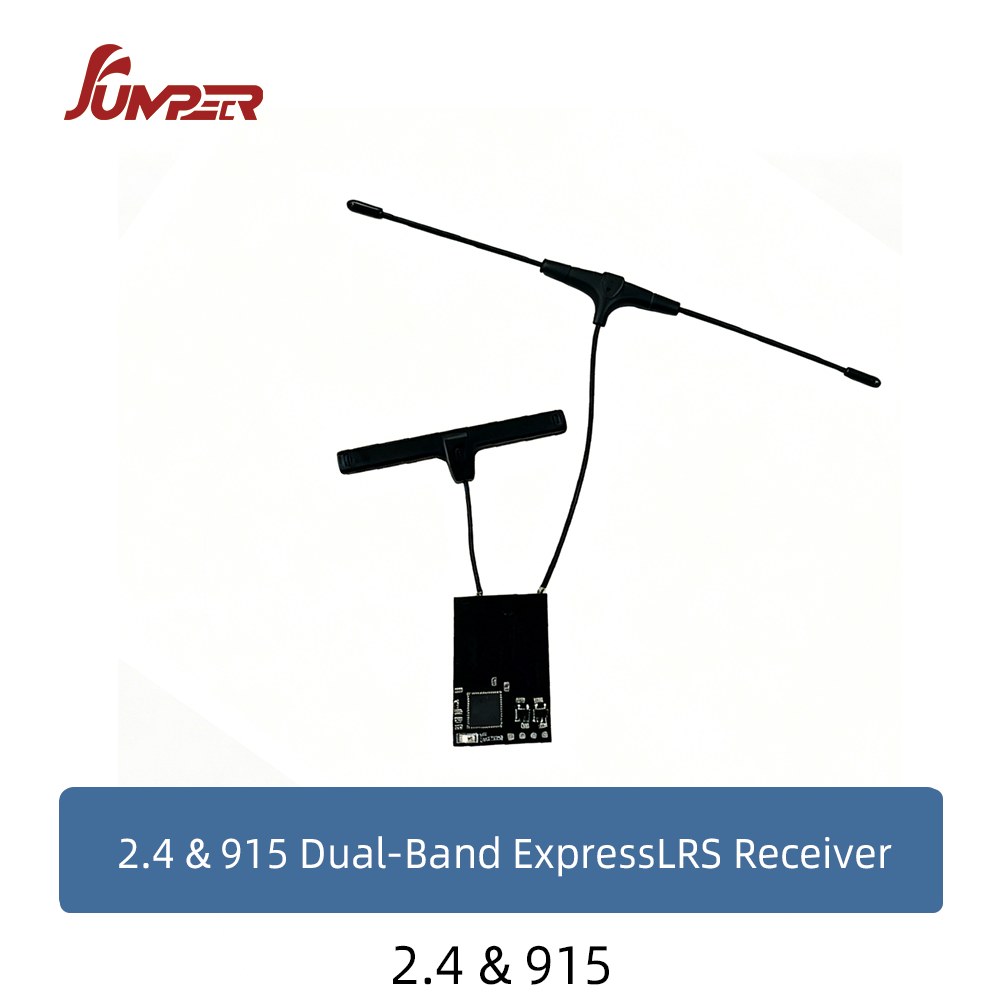
Jumper-rc Jumper 2.4 & 915 Dual-Band ExpressLRS Receiver
- Supply voltage
- DC5 V
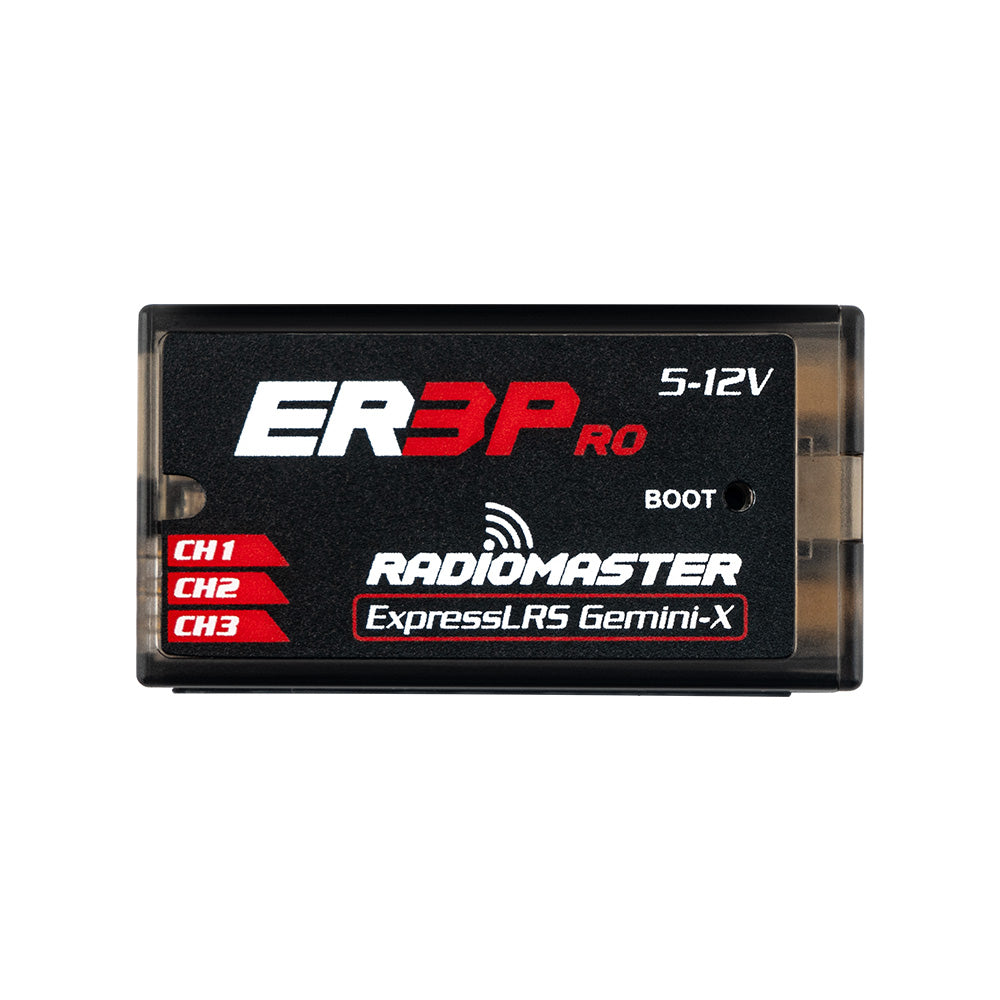
RadioMaster ER3 PRO PWM - Dual-Band GEMINI and GEMINI-X Receiver
- Input voltage
- DC 5.0 – 12.0 V
- Weight
- 13.5 g (without antenna)
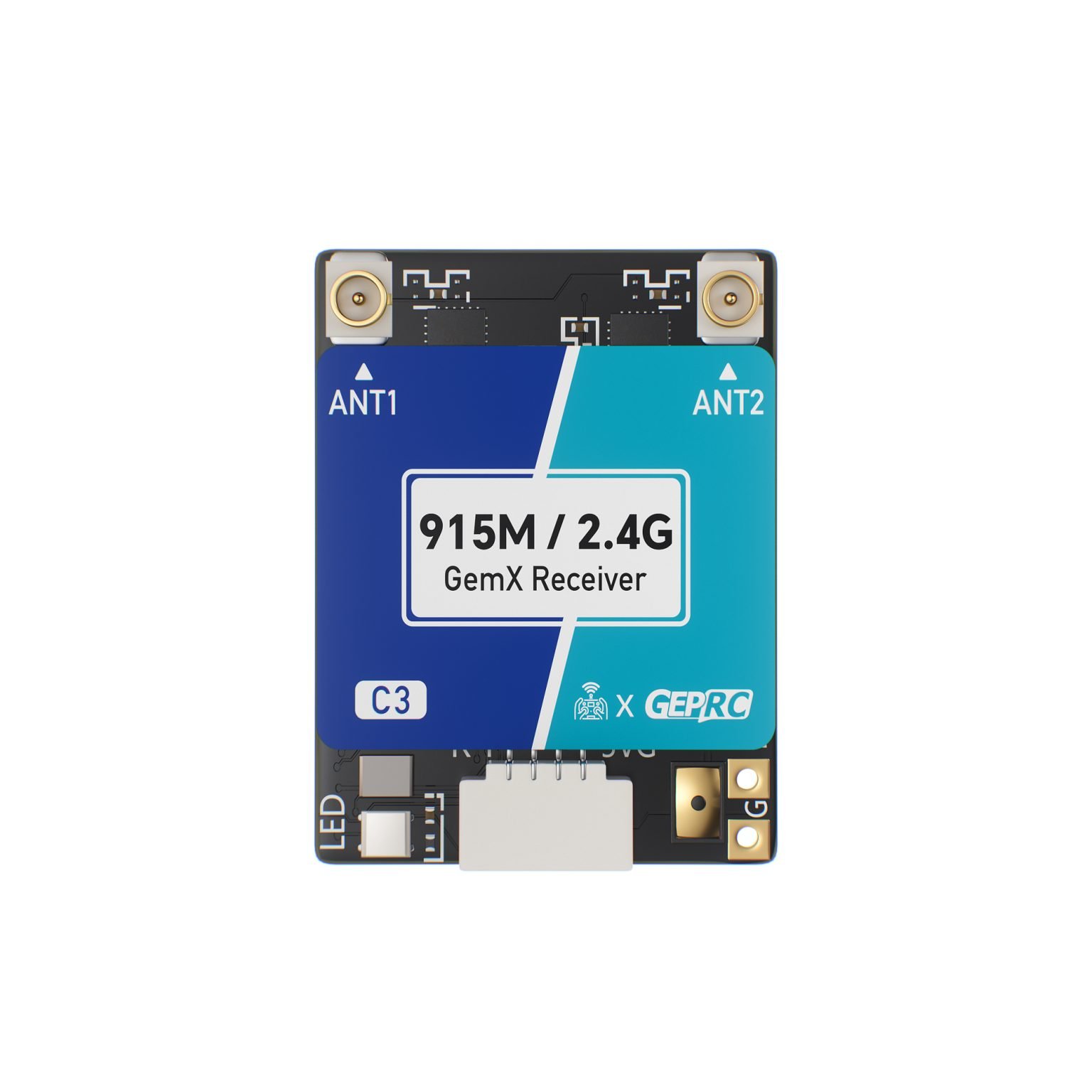
GEPRC ELRS 915M/2.4G C3 Gemini Xrossband Receiver
- Operating voltage
- 5 V
- Weight
- 1.6g (only receiver)
Haoye 2.4G-915
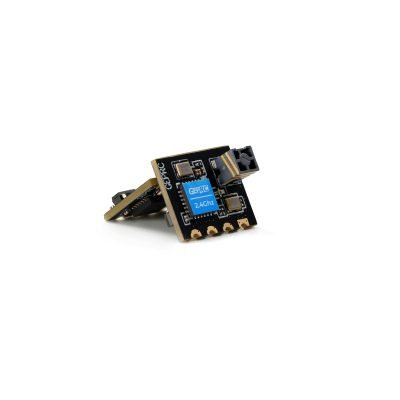
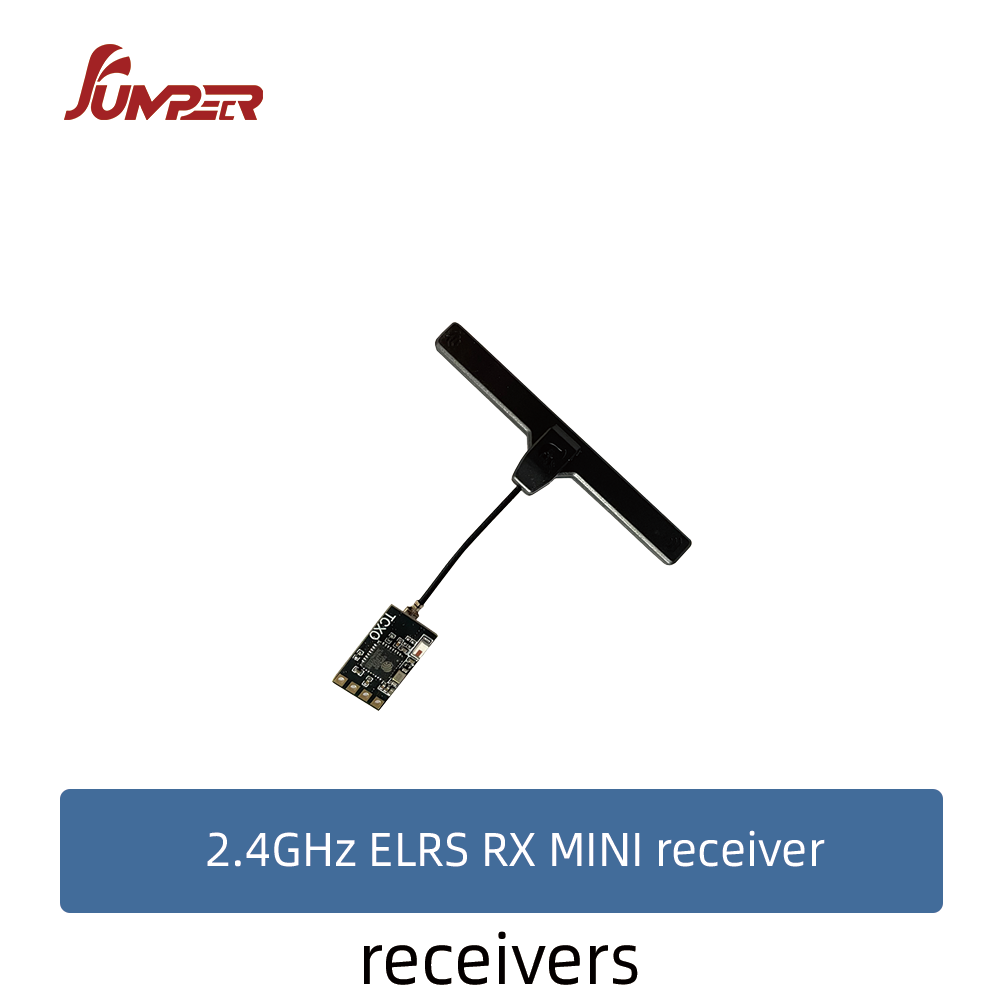
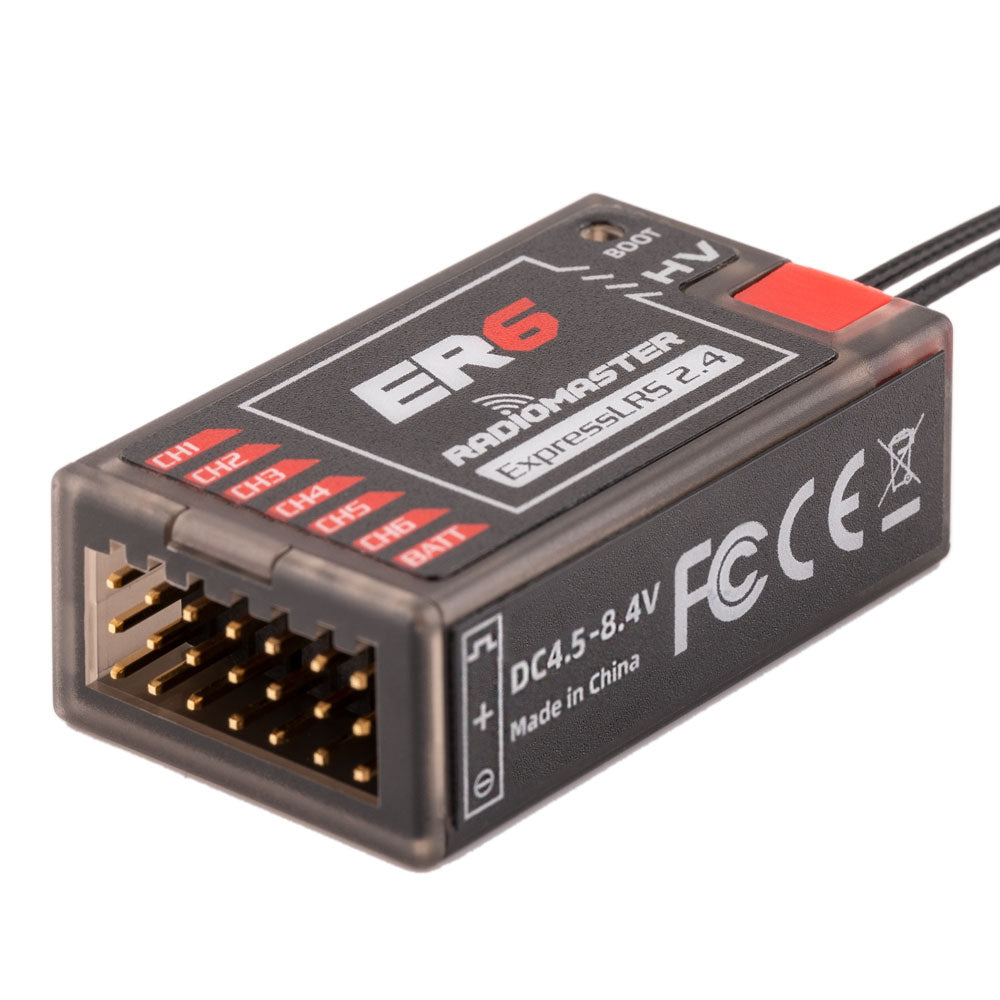
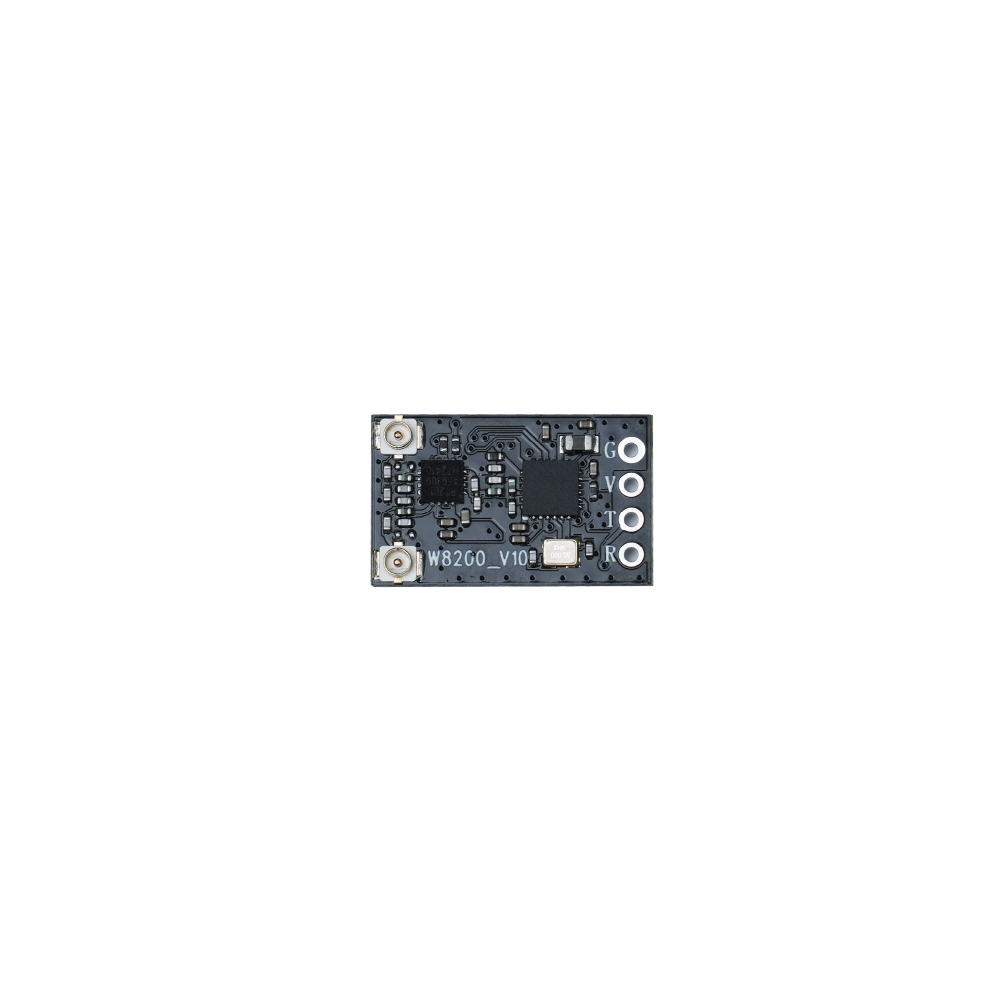
2.4 GHz ELRS receivers
View all 6 →Receivers listed for the 2.4 GHz band.
6 products from 4 manufacturers
Sub-GHz ELRS receivers (900 MHz and lower)
View all 3 →Receivers listed for 868/915 MHz or lower bands, used for longer range.
3 products from 2 manufacturers
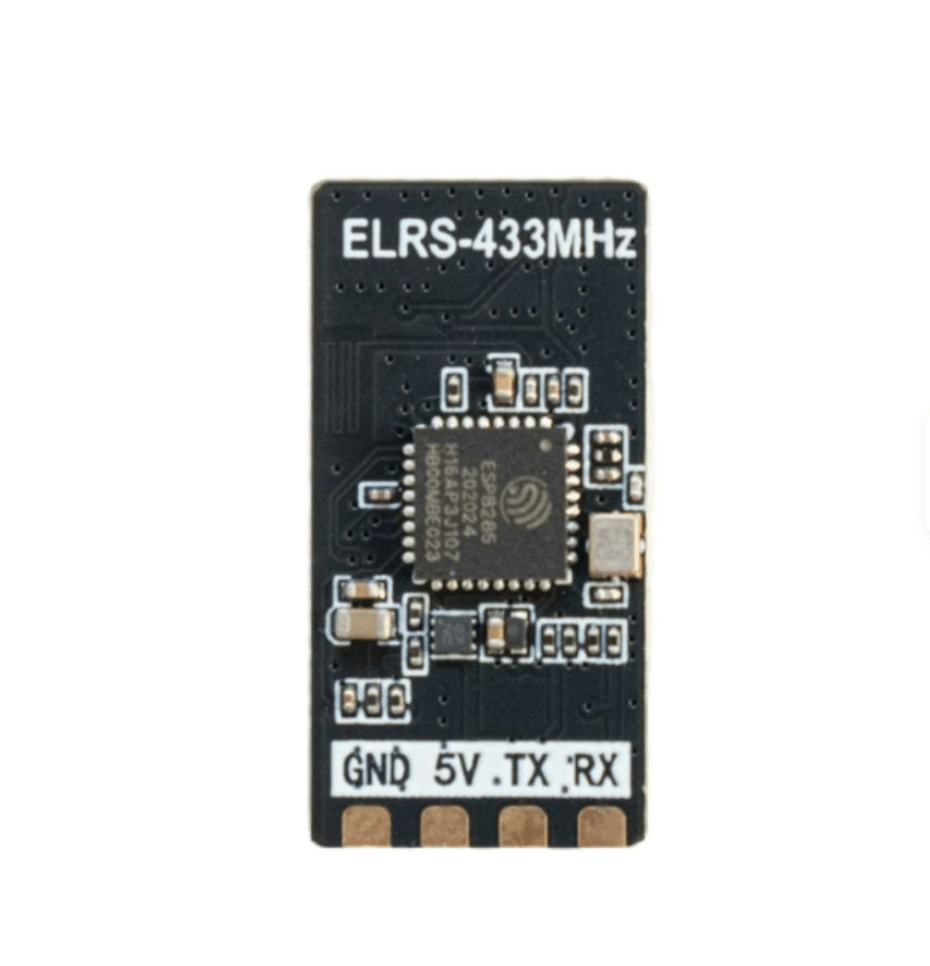
Yizao EZI-HOBBY ELRS-433M-MINI
- Input voltage
- 3.6 V-5.5 V
- Weight
- 0.8 g
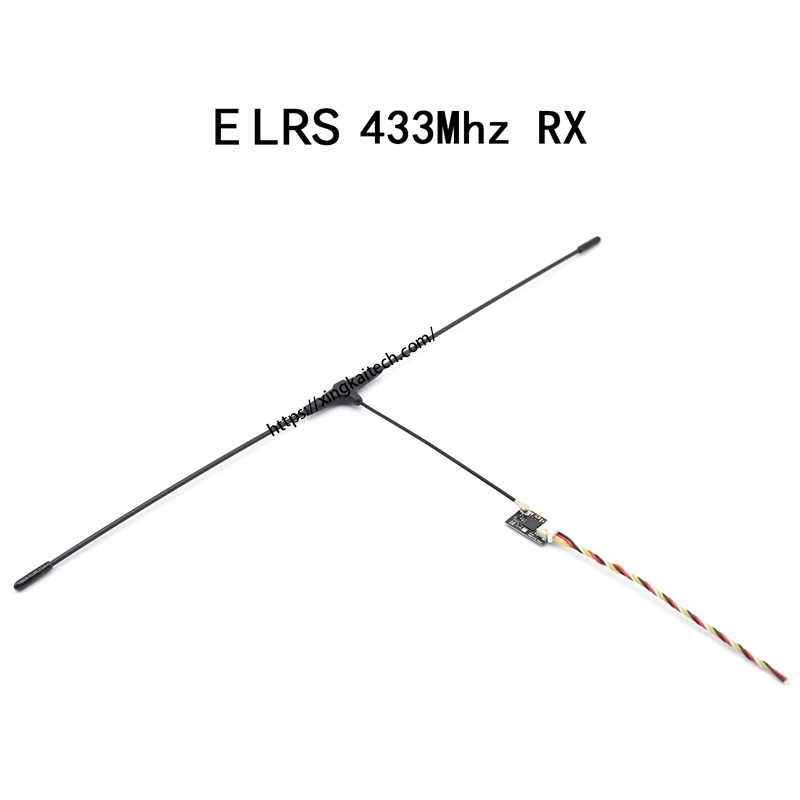
Xingkai ELRS 433MHz Receiver 360mHz 530MHz ExpressLRS Receiver
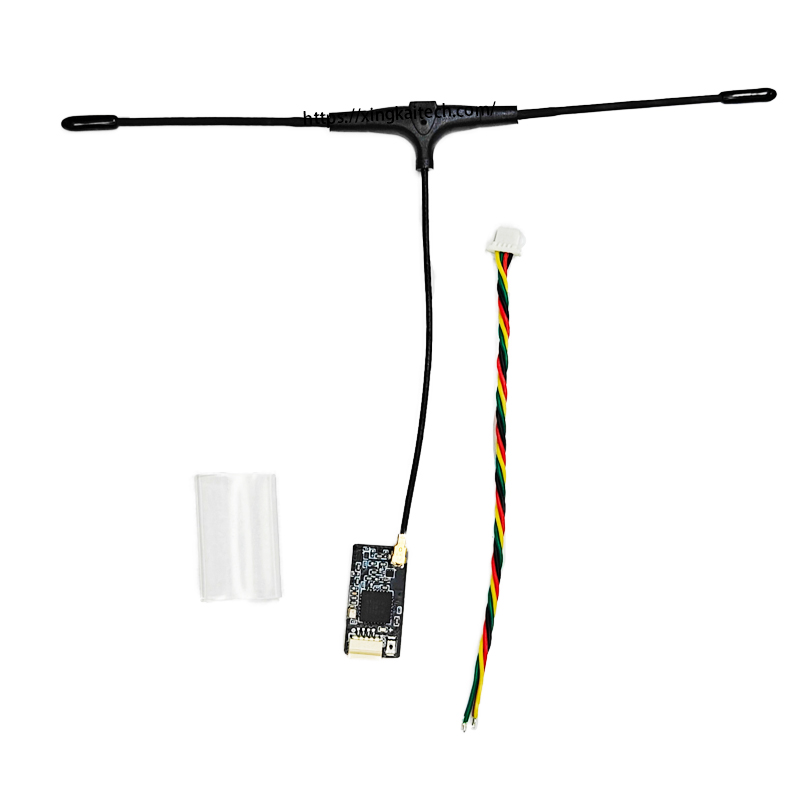
Xingkai ELRS RX
- Input voltage
- 3.6 V-5.5 V
- Weight
- 0.8 g
Looking for another ELRS receiver model?
Tell us the model or specification.
Send your requirement ↑Compare ELRS receivers specifications
Key figures for 7 of these products, as stated by each manufacturer, with their test conditions where given. Maximum, rated and cruise figures are listed separately.
| Model | Input voltage | Telemetry power | Output channels | Dimensions | Weight |
|---|---|---|---|---|---|
| RadioMaster ER3 PRO PWM - Dual-Band GEMINI and GEMINI-X Receiver | DC 5.0 – 12.0 V | Up to 100mW (adjustable via LUA)Adjustable via LUA. | 3CH PWM | 49.2 × 26.8 × 13.0 mm | 13.5 g (without antenna)Without antenna. |
| GEPRC ELRS Nano Receiver | 5 V | – | – | 16.8 mm*10 mm | 0.6 gReceiver only. |
| RadioLink ER16 Datalink | 4–9 V | – | – | 20 × 12 mm | 1.2 g |
| Yizao EZI-HOBBY ELRS-433M-MINI | 3.6 V-5.5 V | – | – | – | 0.8 gReceiver only. |
| Xingkai ELRS RX | 3.6 V-5.5 V | – | – | – | 0.8 gReceiver only. |
| RadioMaster ER12 PWM - Dual-Band GEMINI and GEMINI-X Receiver | DC 5.0 – 12.0 V | Up to 100mWAdjustable via LUA. | 12CH PWM | 51.0 × 37.6 × 14.5 mm | 22.5 gWithout antenna. |
| GEPRC ELRS 915M/2.4G C3 Gemini Xrossband Receiver | – | 100mW | – | 18×23.6×5.7 mm | 1.6g (only receiver)Receiver only. |
What to check before you buy
- Frequency band
- Match the receiver to your transmitter module: 2.4 GHz, 868/915 MHz or dual-band. A 2.4 GHz receiver does not bind to a 900 MHz module.
- Firmware version
- Ask which ExpressLRS version the receiver ships with and confirm it matches the major version on your transmitter.
- Antenna setup
- Single antenna, antenna diversity or Gemini dual radios; check the antenna connector and where the antennas will sit on your frame.
- Output and wiring
- Serial (CRSF) to a flight controller UART, or PWM channels for servos; check channel count, supply voltage and pinout.
- Telemetry
- Check the telemetry output power and whether battery voltage telemetry is built in.
- Size and weight
- Compare board dimensions and weight with the space in your build.
- Radio rules
- Ask for the radio test documents your market requires, and check the power allowed on each band.
ELRS receivers FAQ
Will any ELRS receiver work with my ELRS transmitter?
Not automatically. Both need the same frequency band and the same ExpressLRS major firmware version, and the receiver has to be bound to the transmitter.
What is the difference between diversity and Gemini?
A diversity receiver has two antennas and one radio and uses the better antenna. A Gemini receiver has two radios that receive on two frequencies at once, within one band or across two bands; the full benefit needs a Gemini-capable transmitter.
Serial or PWM output?
FPV quads with a flight controller use the serial CRSF output. PWM receivers suit aircraft whose servos and ESCs connect straight to the receiver.


