EO/IR Gimbal Cameras
Compare EO/IR cameras for drones from Chinese manufacturers: dual-sensor visible and thermal gimbals and pods, some with laser rangefinders, by zoom and sensor.
EO/IR cameras only: drone gimbals and pods that combine a visible-light (EO) camera with a thermal infrared (IR) camera, some adding a laser rangefinder. Single-sensor zoom and thermal cameras are on their own pages.
Quick selection guide
Search and rescue
Dual-sensor gimbals that find people by heat and confirm them in visible zoom.
Security and patrol
EO/IR pods with target tracking for day and night observation.
Targeting distance
Triple-sensor gimbals with a laser rangefinder that measure distance and position.
EO/IR gimbals with laser rangefinder
View all 8 →EO/IR gimbals and pods with a laser rangefinder, often called tri-sensor.
8 products from 4 manufacturers
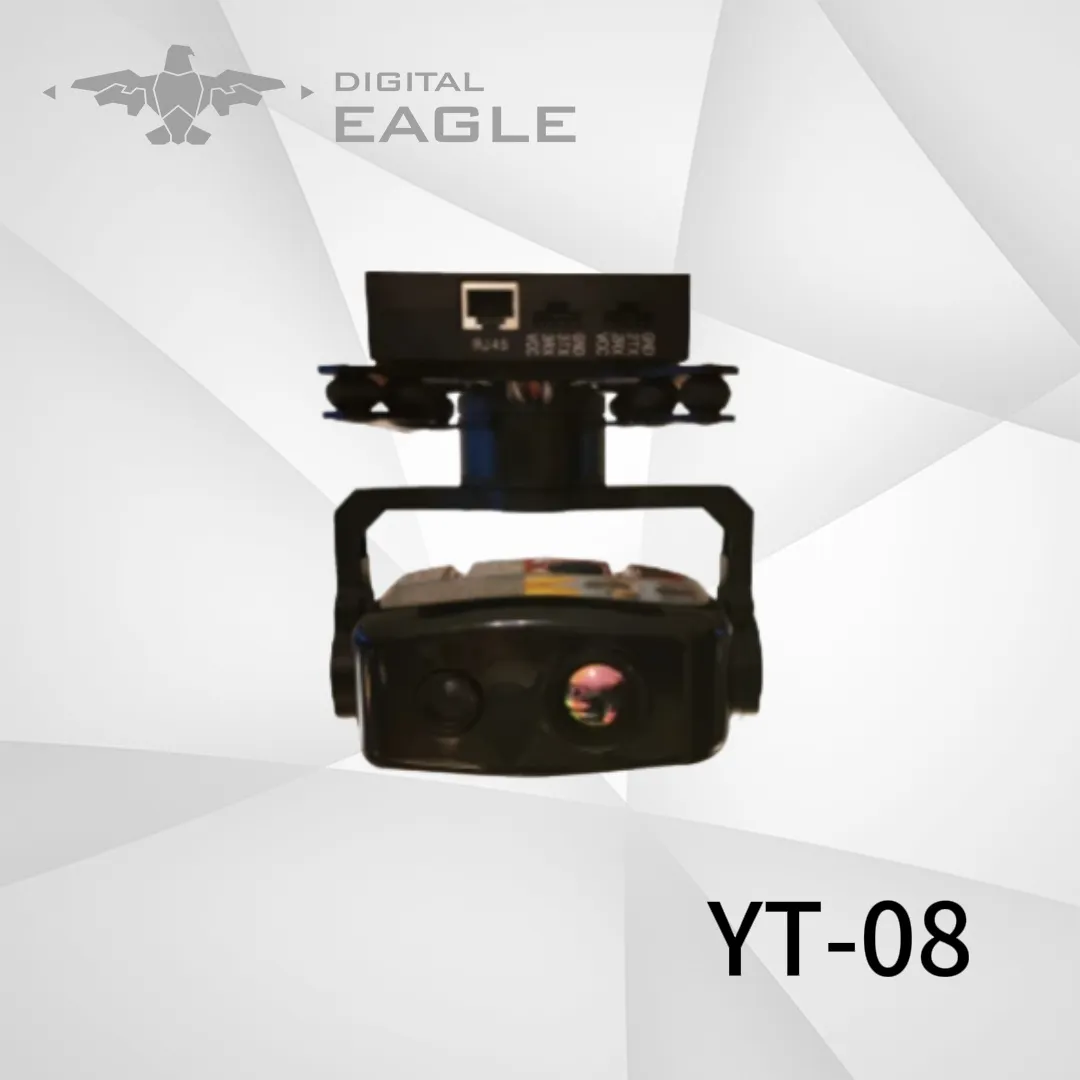
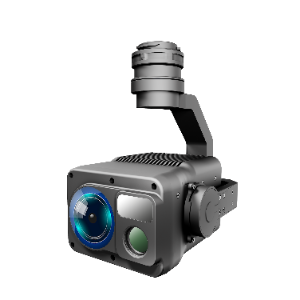
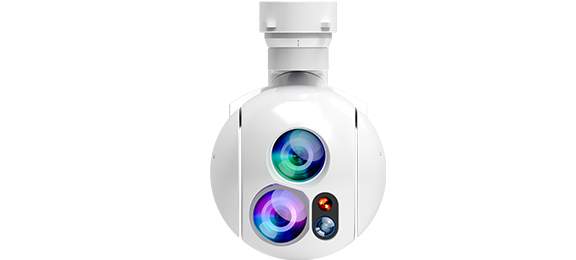
Dual-sensor EO/IR gimbal cameras
View all 21 →Dual-sensor EO/IR gimbal cameras and pods with visible and thermal channels.
21 products from 10 manufacturers
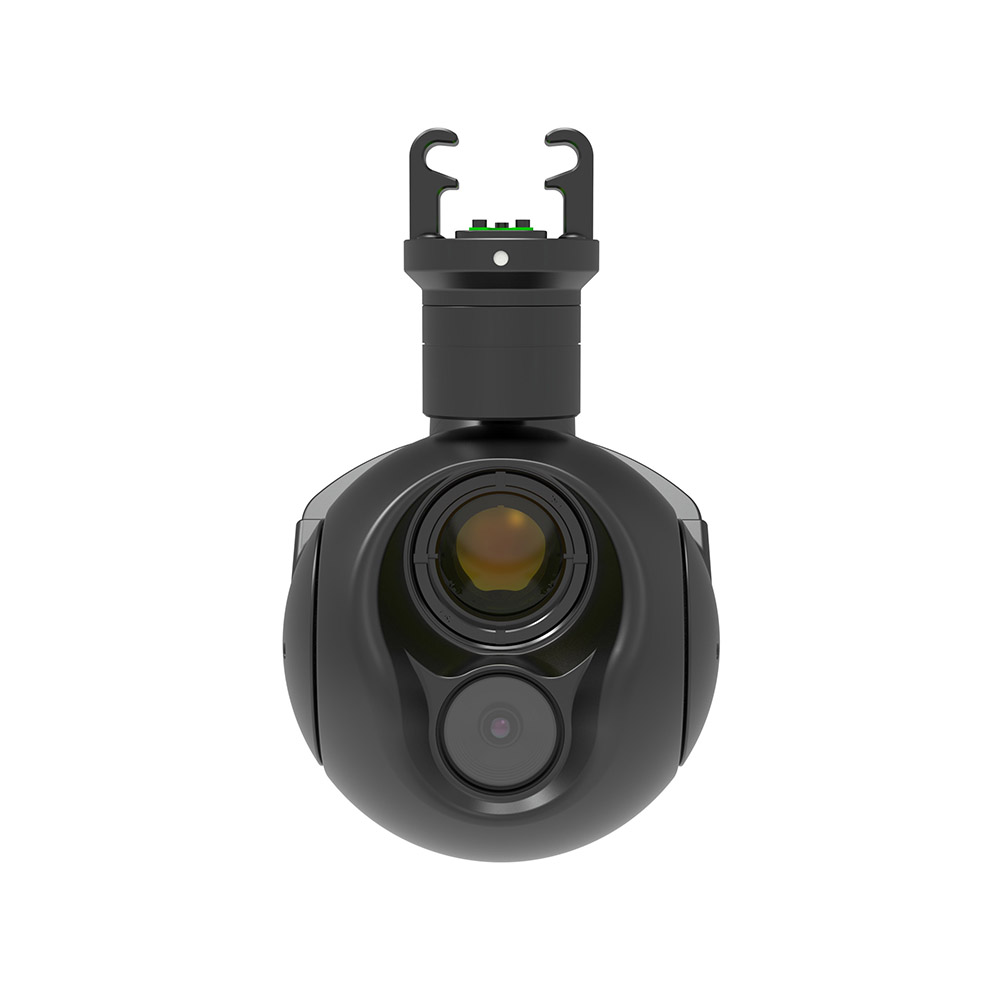
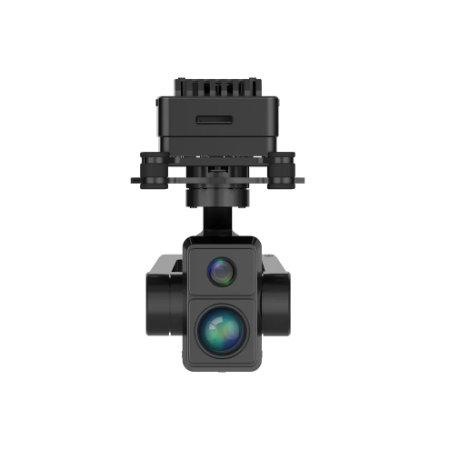
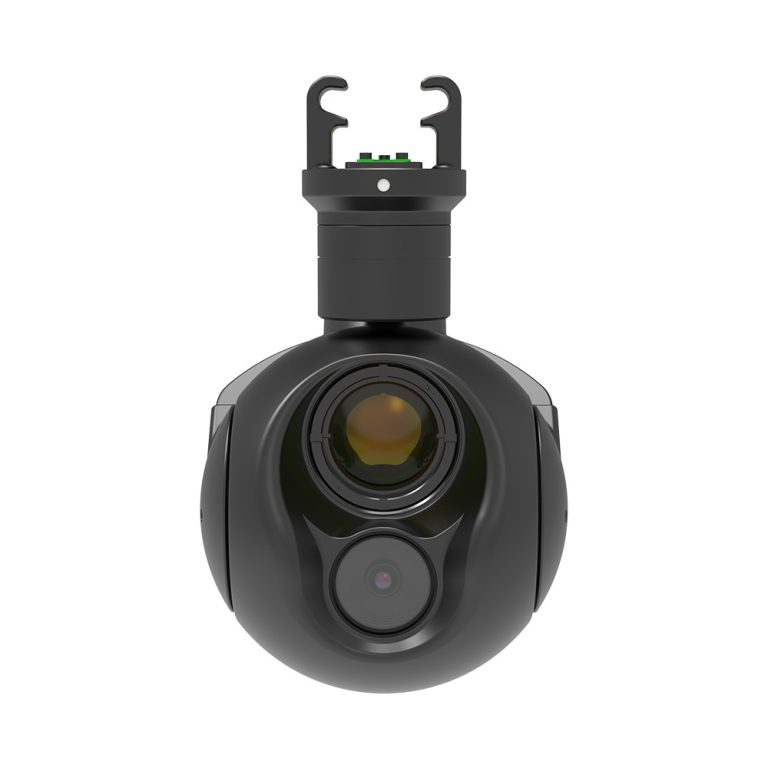
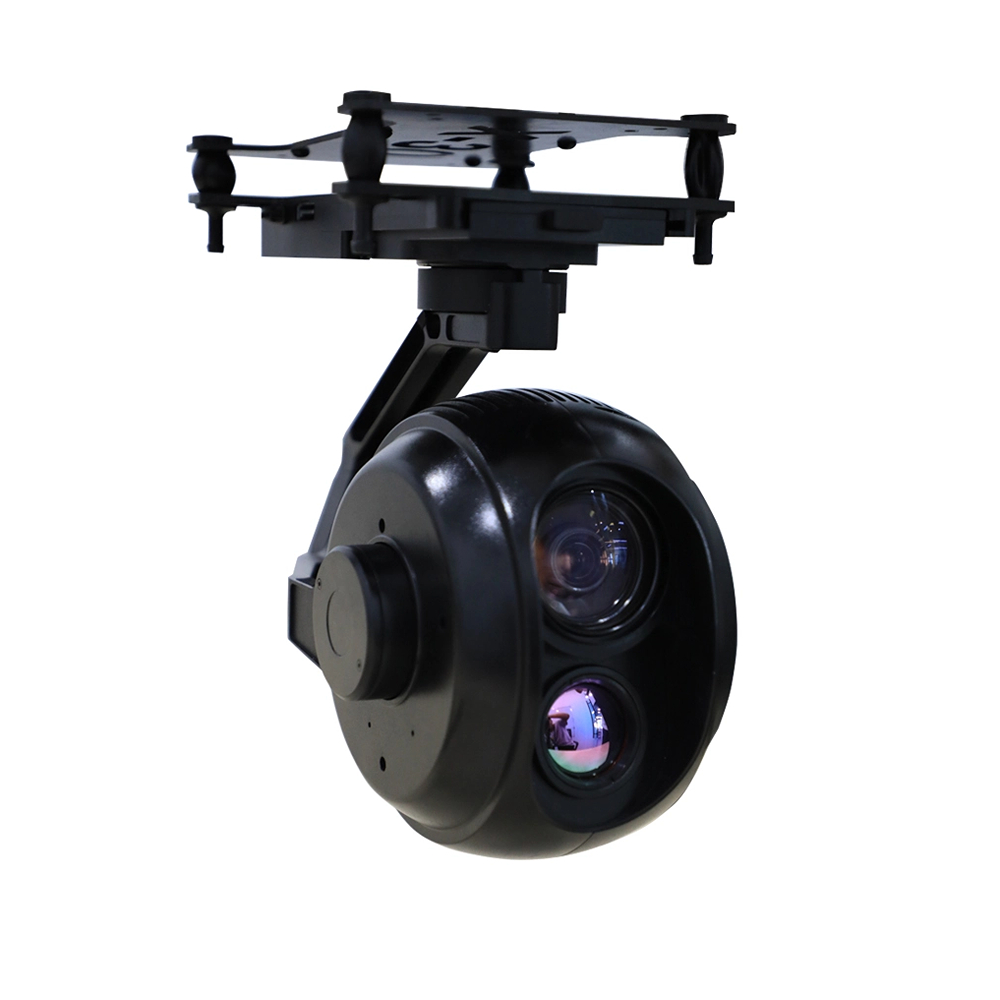
What to check before you buy
- Thermal resolution
- Compare the thermal resolution (such as 640 × 512) and lens focal length.
- Visible zoom
- Check the optical zoom and sensor resolution of the visible camera.
- Laser rangefinder
- If you need distance or target position, check the rangefinder's maximum range.
- Stabilization
- Check the number of axes and the stated stabilization accuracy.
- Weight and power
- Match the payload weight and power draw to your aircraft.
- Integration
- Check the control protocol, video output and supported flight controllers or aircraft.
EO/IR cameras FAQ
What does EO/IR mean?
Electro-optical (visible-light) plus infrared (thermal) imaging in one payload.
Why combine visible and thermal?
Thermal finds heat sources day or night; the visible camera shows detail and color to identify them.
What is a tri-sensor gimbal?
Usually a visible camera, a thermal camera and a laser rangefinder in one gimbal.


