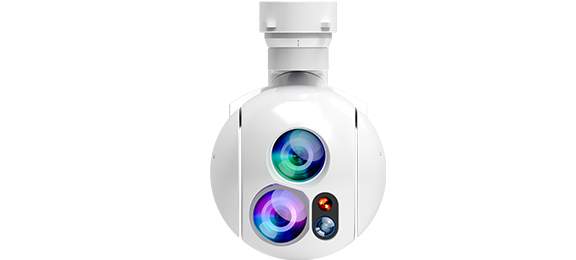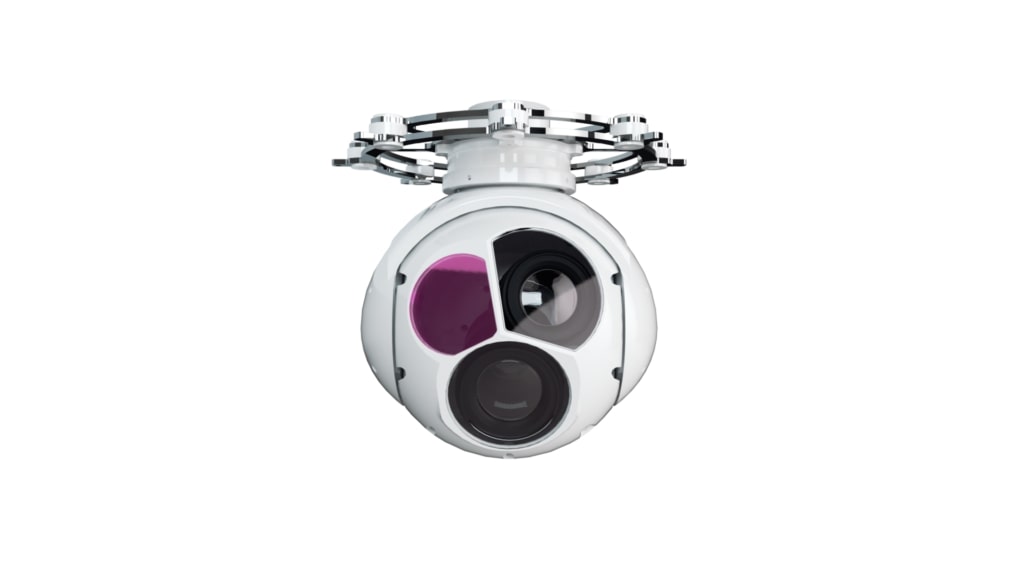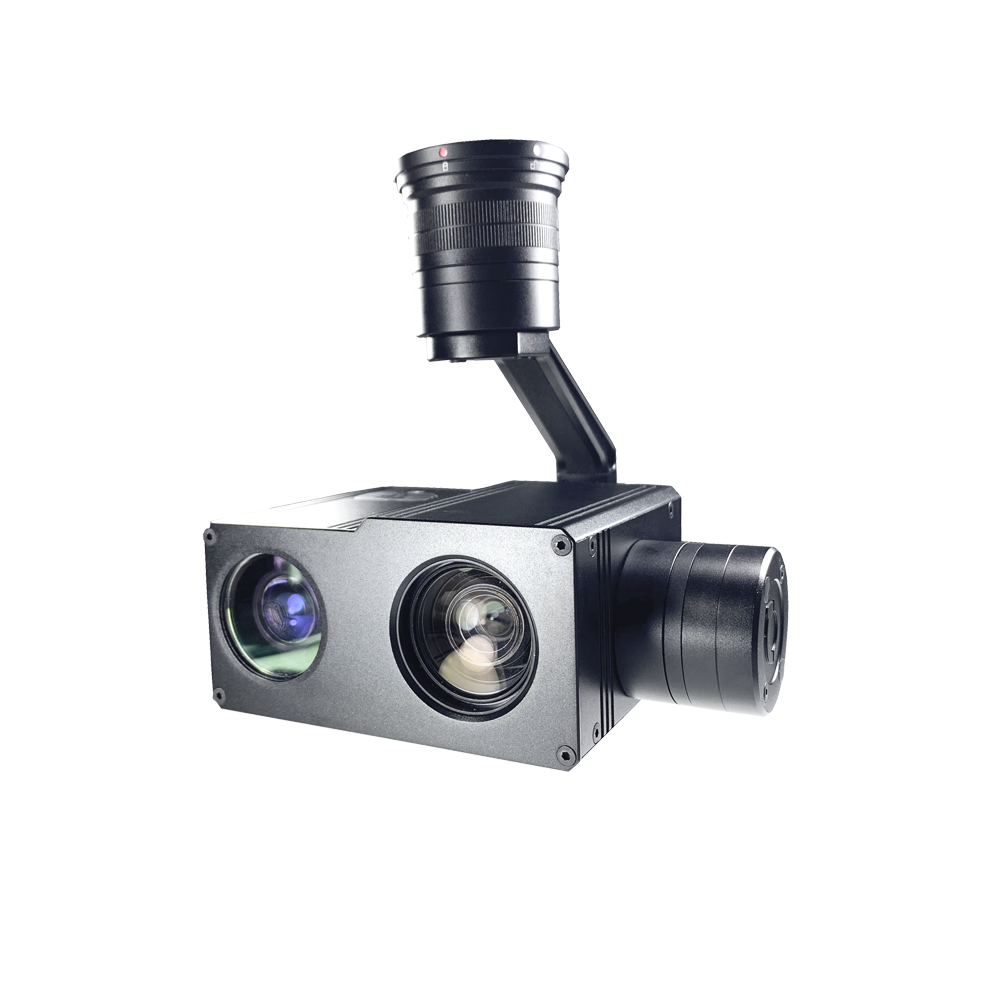
Product overview
Developed for DJI PSDK, it is listed as compatible with DJI M200, M210 and M210RTK aircraft.
The camera offers optical zoom, object tracking and infrared laser illumination for night use.
Viewpro lists firefighting, power tower maintenance, pipeline inspection, and search and rescue among its applications.
Specifications
| Specification | Value & conditions |
|---|---|
| Compatible aircraft | DJI M200 / M210 / M210RTKDJI PSDK integration |
| Optical zoom | 10xCamera optical zoom |
| Model and stabilization | Z10TL; 3-axis gimbal; FOC motor control; high-precision encoder in each motor |
| Gimbal power supply | Working voltage: 14–16V; input: 3S–4S |
| Gimbal current and power |
|
| Operating temperature | −40°C to +60°C |
| Output and storage | Micro HDMI (1080P 60fps) / Skyport; SD card up to 128G, Class 10, FAT32 or exFAT |
| Gimbal controls | PWM / TTL / S.BUS / DJI Polit |
| Gimbal travel |
|
| Gimbal precision and functions | Adjustable speed; low-speed and fast modes; automatic one-key return to initial positionLow-speed mode for tele end; fast mode for wide end. |
| Vibration angle | Pitch/roll: ±0.02°; yaw: ±0.03° |
| Sensor and resolution | Description: 1/2.9-inch CMOS, 2 megapixels effective, 1080p HD |
| Sensor, total pixels and dynamic range | 1/2.8-inch CMOS; 2.43MP total pixels; dynamic range: 65dBCamera specification table. |
| Lens, zoom and minimum object distance | 5MP lens; 10× optical zoom, F=4.7–47mm; 6× digital zoom; minimum object distance: 1.5m |
| Viewing angles |
|
| Scanning and video outputs | Progressive scanning; local video: 1080P 30fps; HD output: 1080P/720/480P 60fps; AV: standard CVBS, 1Vp-pLocal recording uses a TF card; HD output uses HDMI 1.4. |
| Camera sensitivity | S/N ratio: ≥52dB; minimum illumination: 0.05luxMinimum illumination is for color at F1.6. |
| Exposure and white balance | Backlight compensation / strong-light suppression; automatic gain; automatic/manual white balance; automatic shutter speed |
| Camera control and protocols | UART / IR / PWM; PELCO-D, Hitachi protocol or VISCA |
| Focus and presets | Autofocus; focus time: 2s; built-in lens initialization; 20 user presets |
| Image functions and file formats | 180° image rotation; horizontal/vertical mirroring; defog; OSD; JPEG photos; MP4 video |
| Tracking algorithms and display | Normalization, cross-correlation, tracking and lost-object recapture algorithms; custom OSD characters, adaptive gate, cross cursor and tracking information display |
| Tracking update and latency | Pixel-deviation update rate: 50Hz; pixel-deviation output delay: less than 10ms |
| Tracking target requirements |
|
| Tracking performance |
|
| Laser range and wavelength | Effective range: 300m; wavelength: 850±10nm (940nm, 980nm) |
| Laser illumination zoom | Illumination angle adjusts synchronously with powered zoom, 70°–2.0°; zoom time: 2sZoom time measured from wide end to tele end. |
| Laser range by illumination angle | Tele end: effective range 300m, spot diameter less than 20m; wide end: effective range greater than 40mTele end: 2.0°; wide end: 70°. |
| Laser electrical specifications | Laser chipset power consumption: 2±0.2W |
| Illuminator supply and total power | Working voltage: DC12V±10%; total power consumption: less than 11WLight supplement subsystem. |
| Illuminator control and communication |
|
| Net weight and dimensions | Net weight: 543g; dimensions: 129.8×117.1×119.8mm |
Request a quote for Viewpro Z10TL gimbal camera
Send your application, destination country and expected quantity to the ChinaDrone team. We can discuss product selection, configuration and sourcing from China.
Submit your procurement requirements ↗No account needed. A model number is optional. Your enquiry is handled by ChinaDrone.