Product overview
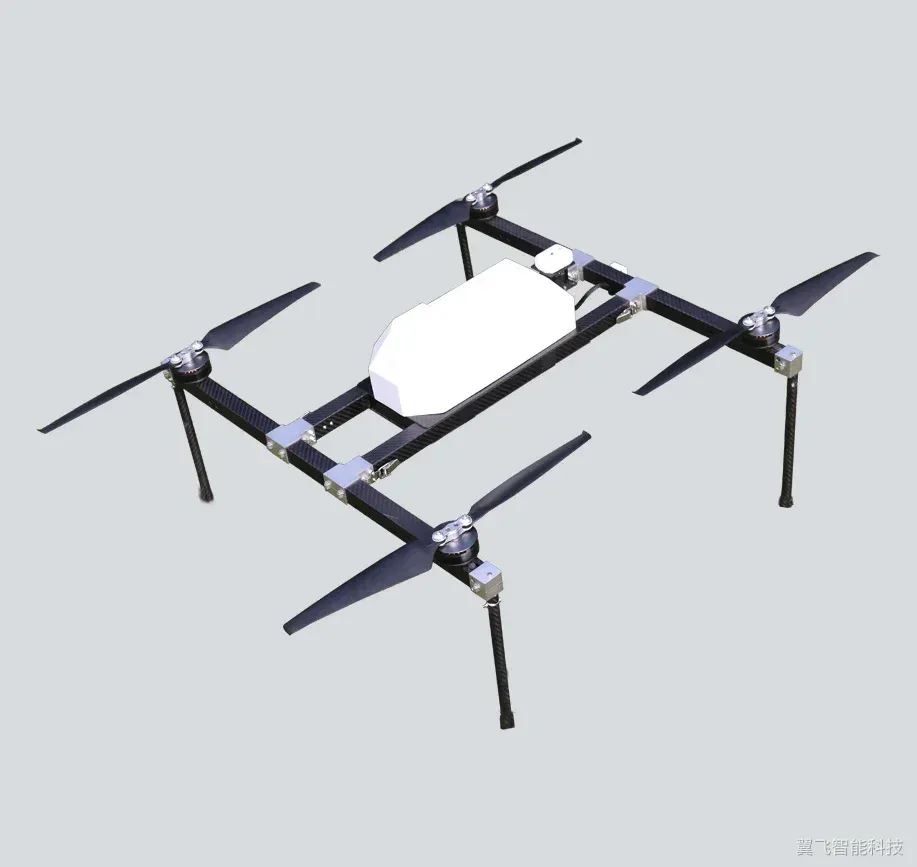
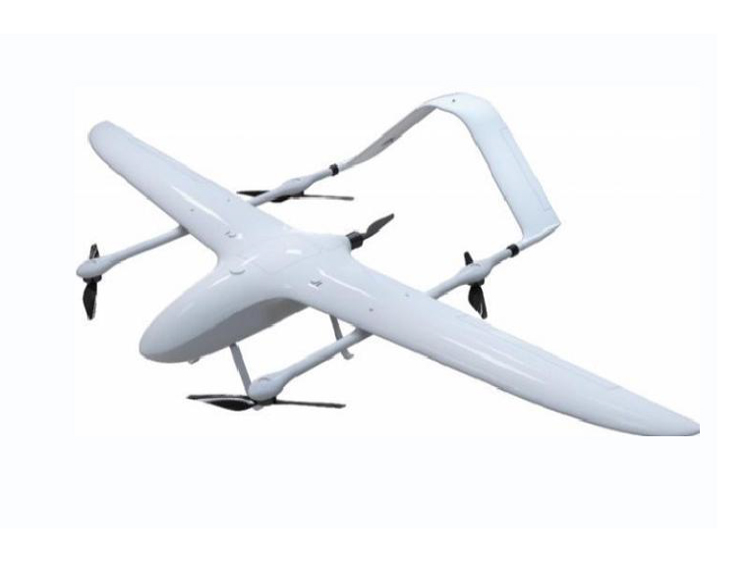
Built around a twin-flying-wing layout, the TW12 combines vertical takeoff and landing with rotor and fixed-wing flight modes, including point-commanded hovering. Its 2.20 m wingspan, 12 kg maximum takeoff weight and 2 kg mission payload capacity support inspection, surveying and monitoring missions. Applications include forest and grassland patrol, mapping and 3D modelling, emergency firefighting, road traffic operations and specialist shipboard tasks. The aircraft can be transported and deployed using an SUV.
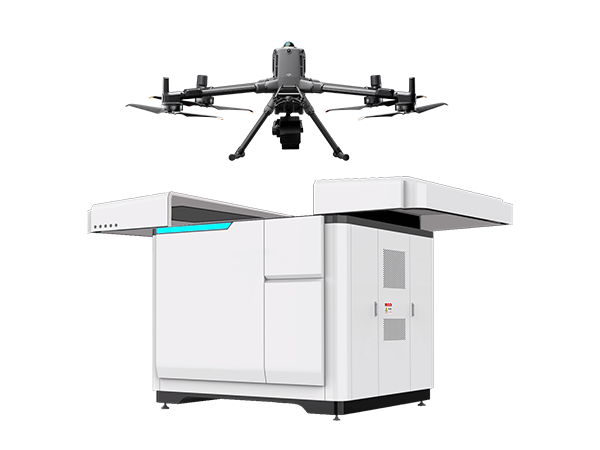
Interchangeable payload options include electro-optical gimbals, five-lens cameras, orthographic cameras and multispectral cameras. Mission configurations include a 130-megapixel five-lens camera for forest monitoring and a 240× triple-sensor gimbal for shipboard and maritime operations. Integrated aircraft and ground-control delivery offers a handheld ground station or portable laptop ground station. Operators can switch between gimbal imagery and flight data, while the ground-station software supports one-touch autonomous route planning. Safety functions include automatic return on low battery or lost connection and GNSS anomaly handling.
Cruising speed is 60~72 km/h, maximum range is approximately 150 km and the altitude ceiling is 6000 m. Maximum endurance with P1-120x is 2h40min, measured outdoors at 80 m altitude without wind, flying at a constant 19 m/s over repeated 10 km route legs until 5% battery remains. Hover time is 28 min, measured outdoors at 20 m altitude without wind in GPS hover mode until 0% remains. Wind resistance is Force 6 for takeoff and landing and Force 7 for level flight.