Drone ADS-B Receivers
Compare drone ADS-B receivers and UAV ADS-B transceiver modules from Chinese manufacturers by frequency band, sensitivity, weight and autopilot interface.
ADS-B receiver modules and ADS-B In/Out transceivers for drones, unmanned airships and small aircraft. An ADS-B In receiver picks up position broadcasts from nearby crewed aircraft and passes the traffic to the autopilot. Remote ID modules are listed on their own page.
Drone ADS-B receiver modules and ADS-B In/Out transceivers.
8 products from 4 manufacturers
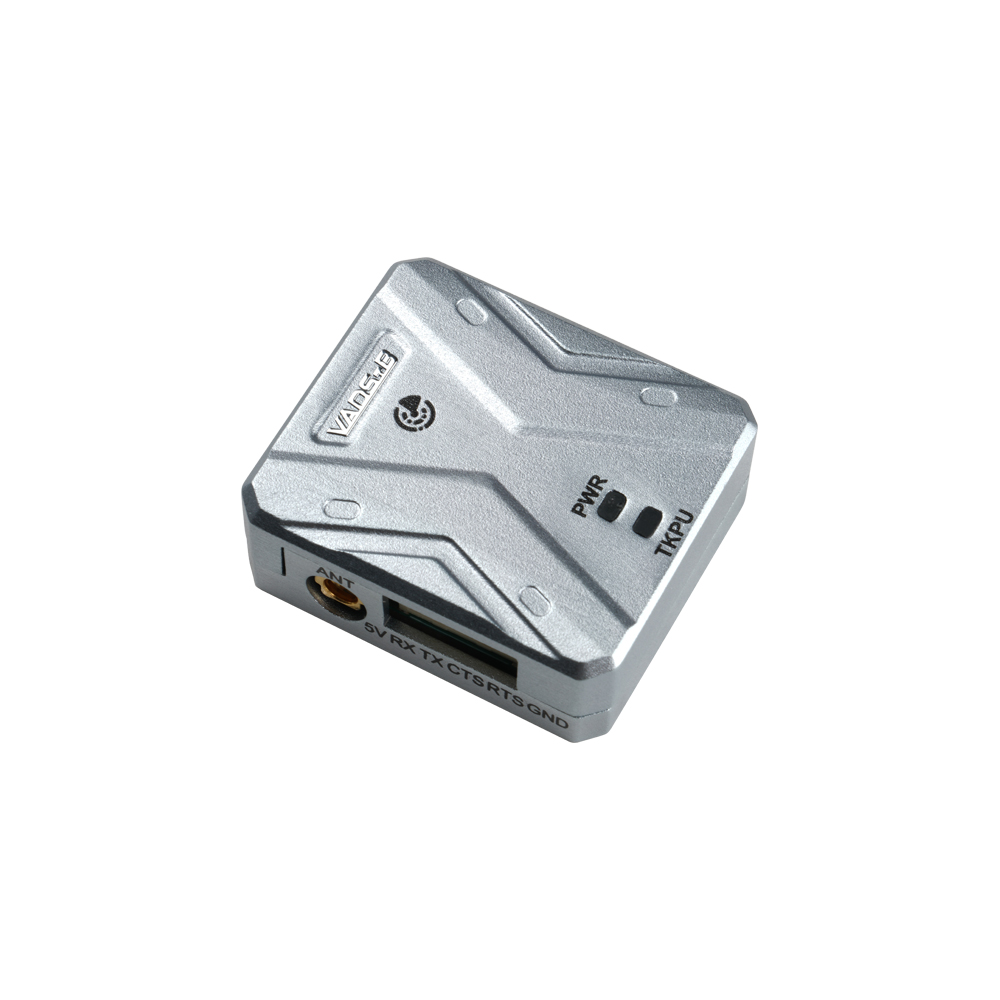
Viewpro VADS-B 1090MHz Airborne ADS-B Situational Awareness Module
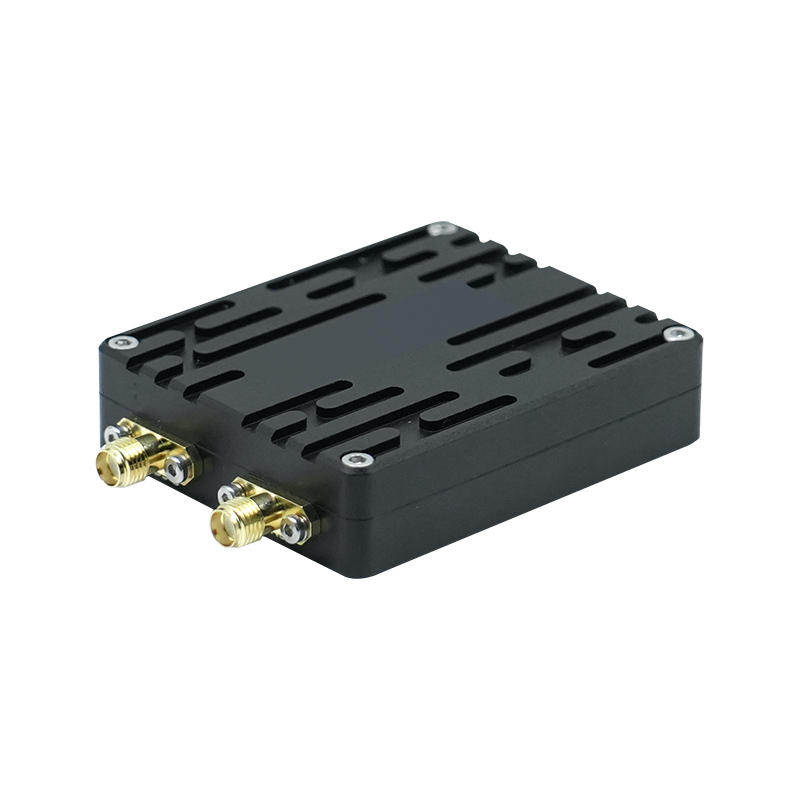
YANGDA TR20 ADS-B
- Supply voltage
- 12 V (min-8 V, max-35 V)
- Weight
- 90 g
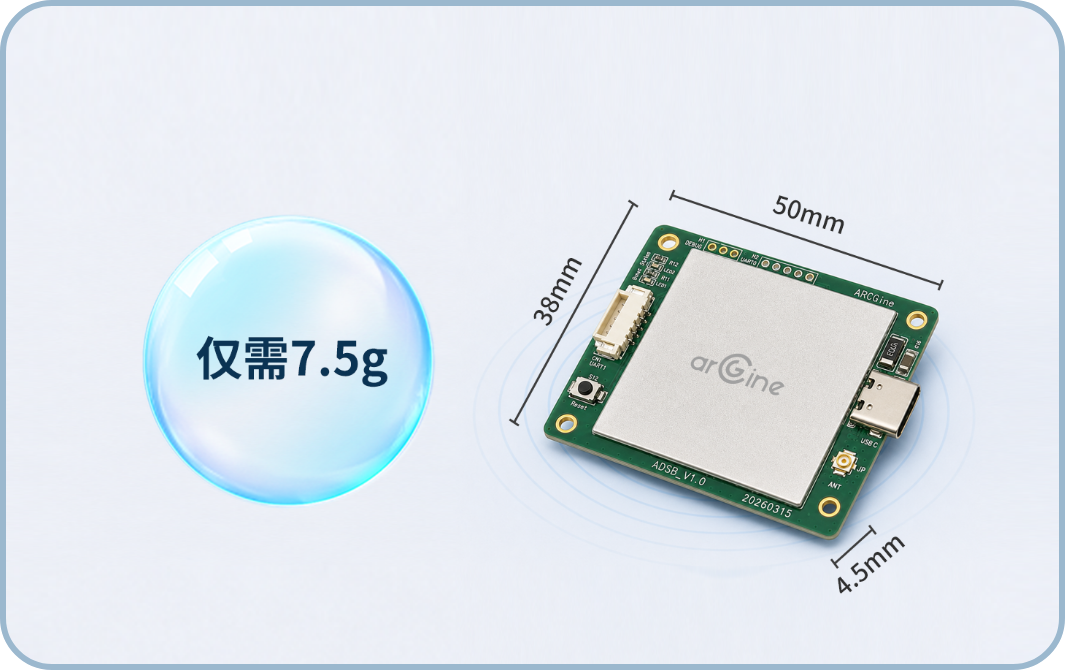
ARCGine Zhuhai Anqing Technology ADS-B
- Applications
- ADS-B reception, ground equipment, virtual radar, airborne obstacle avoidance, UAV collision-risk monitoring and airspace monitoring.
- Weight
- 7.5 g
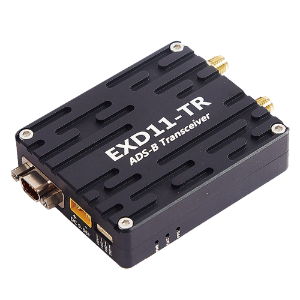
EXDTEK EXD11-TR
- Input voltage
- DC 8-36 V
- Weight
- Approx. 90g
What to check before you buy
- Frequency band
- Check whether the receiver covers 1090 MHz only or 1090 MHz and 978 MHz UAT for the regions you fly in.
- Sensitivity
- Compare the weakest signal each receiver can decode, measured under the same test conditions.
- Weight, size and power
- Compare the installed weight, dimensions, supply voltage and current draw with your aircraft.
- Autopilot interface
- Check the physical interface and the protocol supported by your flight controller and ground software.
- ADS-B In or In/Out
- Check whether the unit only receives traffic or also transmits ADS-B Out, and how transmission is configured.
ADS-B receivers buying guide
An airborne ADS-B receiver (ADS-B In) picks up position, altitude, heading and speed broadcasts from nearby crewed aircraft and passes them to the autopilot and ground control station. Mapping, power-line inspection and BVLOS delivery teams use it to see approaching traffic earlier; transceivers also broadcast the drone's own position (ADS-B Out).
ADS-B receivers manufacturers
Related categories
Buyer FAQ
What does a drone ADS-B receiver do?
An ADS-B In receiver picks up position, altitude, heading and speed broadcasts from nearby crewed aircraft. On mapping, power-line inspection and BVLOS delivery flights it passes traffic alerts to the autopilot and ground control station, so the crew sees approaching aircraft earlier.
Should a commercial drone use ADS-B In, ADS-B Out or both?
Most small commercial drones use ADS-B In only. In the United States, Part 107 prohibits ADS-B Out transmission without authorization to avoid congesting the frequency, while receiving traffic is permitted. Check the rules in each country of operation before ordering a transceiver.
Do I need a 1090 MHz or a dual-band 1090/978 MHz ADS-B receiver?
Choose 1090 MHz (1090ES) for operations worldwide, as airliners and equipped aircraft broadcast on it. Choose a dual-band 1090/978 MHz receiver for the United States, where many low-altitude general aviation aircraft use 978 MHz UAT.
How does an ADS-B receiver connect to ArduPilot or PX4?
Most receivers connect to a flight controller telemetry port over a UART using MAVLink, commonly at 57600 bps, and some use DroneCAN. Once the receiver is enabled in the autopilot parameters, nearby traffic appears in the ground control software.
Can an ADS-B receiver replace Remote ID?
No. An ADS-B In receiver picks up broadcasts from nearby crewed aircraft, while Remote ID broadcasts the drone's own identity and location. Commercial operators often fit both for shared-airspace and BVLOS flights.
Can I get help with samples or a bulk order?
For samples, MOQ, pre-shipment inspection and shipping, our team can help confirm options. Share the model or specification, quantity and delivery destination.