Product overview
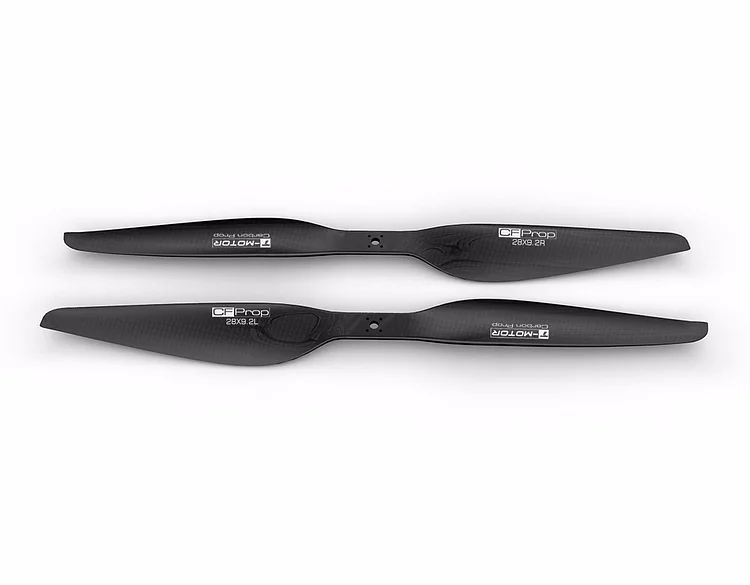
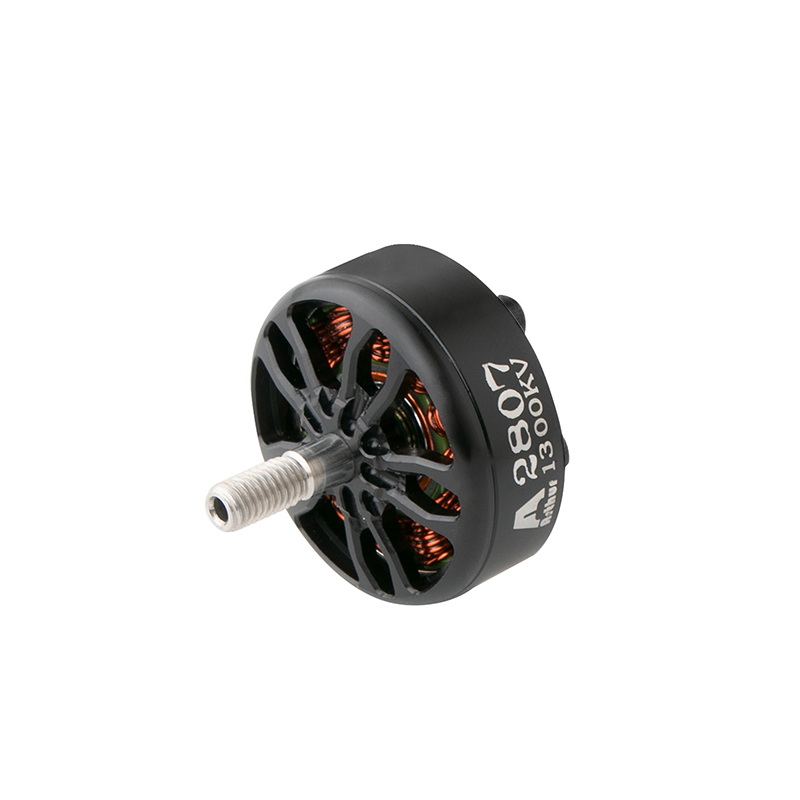
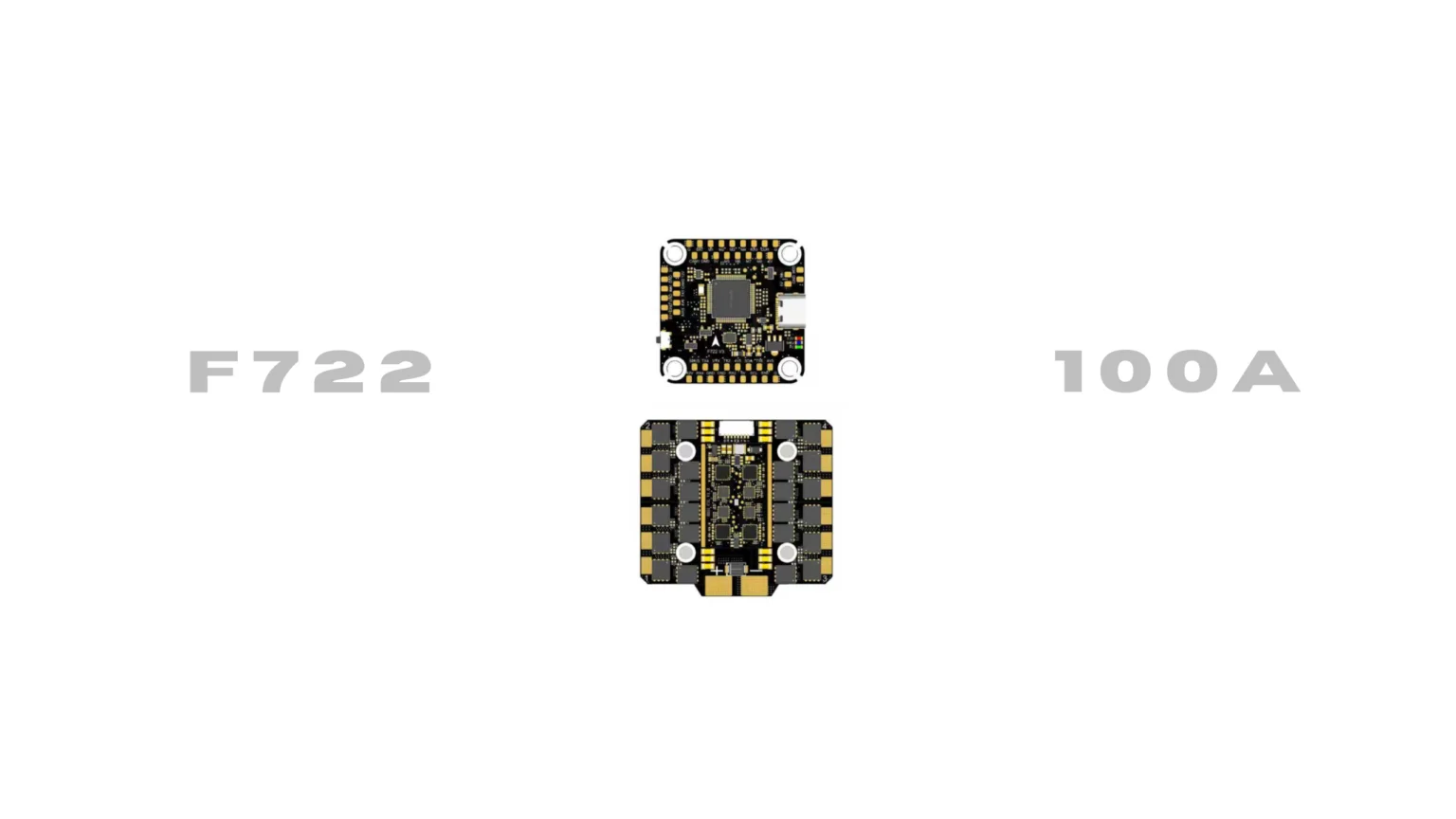
The YAHREE 3115 is a brushless motor intended for cinematic and exploration FPV flights. Its 12N14P slot-and-pole architecture accompanies a 900 RPM/V rating with a tolerance of +/-10%. The motor measures 37.1+/-0.15 mm in diameter and 47.8+/-0.3 mm in length, and weighs 120+/-3 g. Recommended propulsion components are an 8–10-inch propeller, a 4–6S LiPo battery and a 6S/120A ESC. OEM/ODM options include custom KV, appearance and color.
The 900KV version has maximum continuous ratings of 50 A and 1250 W at 25.2 V, with a temperature of 105°C at maximum continuous current. The higher rating of 72 A and 1800 W at 25.2 V is limited to 10 seconds. Maximum magnet operating temperature is 150°C, with a recommended maximum of 120°C. Free-load current is 2.8 A maximum at 20 V, and phase-to-phase resistance is 36.5 mΩ +/-8% at 25°C. Thrust varies with propeller, voltage and test conditions.
Specifications
| Specification | Value & conditions |
|---|---|
| Product | YAHREE 3115 brushless motor for FPV drones |
| Intended application | Cinematic and exploration FPV flights |
| Motor diameter (mm) | 37.1+/-0.15 |
| Motor length (mm) | 47.8+/-0.3 |
| Slots/poles | 12N14P |
| Motor KV (RPM/V) | 900+/-10% |
| Free-load current (A) | 2.8 MaxAt 20 V. |
| Phase-to-phase resistance (mΩ) | 36.5+/-8%At 25°C. |
| Maximum continuous current/power (A/W) | 50/1250At 25.2 V. |
| Temperature (°C) | 105At maximum continuous current. |
| Maximum current/power (A/W) | 72/1800 (10s Max)At 25.2 V; maximum duration 10 seconds. |
| Weight (g) | 120+/-3 |
| Recommended LiPo cells | 4-6S |
| Recommended ESC | 6S/120A |
| Recommended propeller | 8~10Inch |
| Maximum magnet operating temperature (°C) | 150 (Recommended Max 120°C)Recommended maximum magnet temperature: 120°C. |
| Motor torque constant (Kt, g*cm/A) | 143.63 |
| Motor constant (Cn, rpm/g*cm) | 1.05 |
| Customization options | Custom KV, appearance, and colorFor OEM/ODM projects. |
| Thrust performance qualification | Thrust varies with propeller, voltage, and test conditions.Depends on propeller, voltage, and test conditions. |