ChinaDroneRequest a quote →

Aero Future W1

The Aero Future W1 from Jiangxi Aero Future Technology Innovation Group Co., Ltd is a 58 g shoulder-mounted drone detector integrating Remote ID identification alerts and a high-intensity warning light. Intended for mobile personnel, it supports standalone local warning, with receiving-station or platform integration required for data retention and replay.

Aero FuturePayloads & thermal cameras

Get a free quote

Product overview

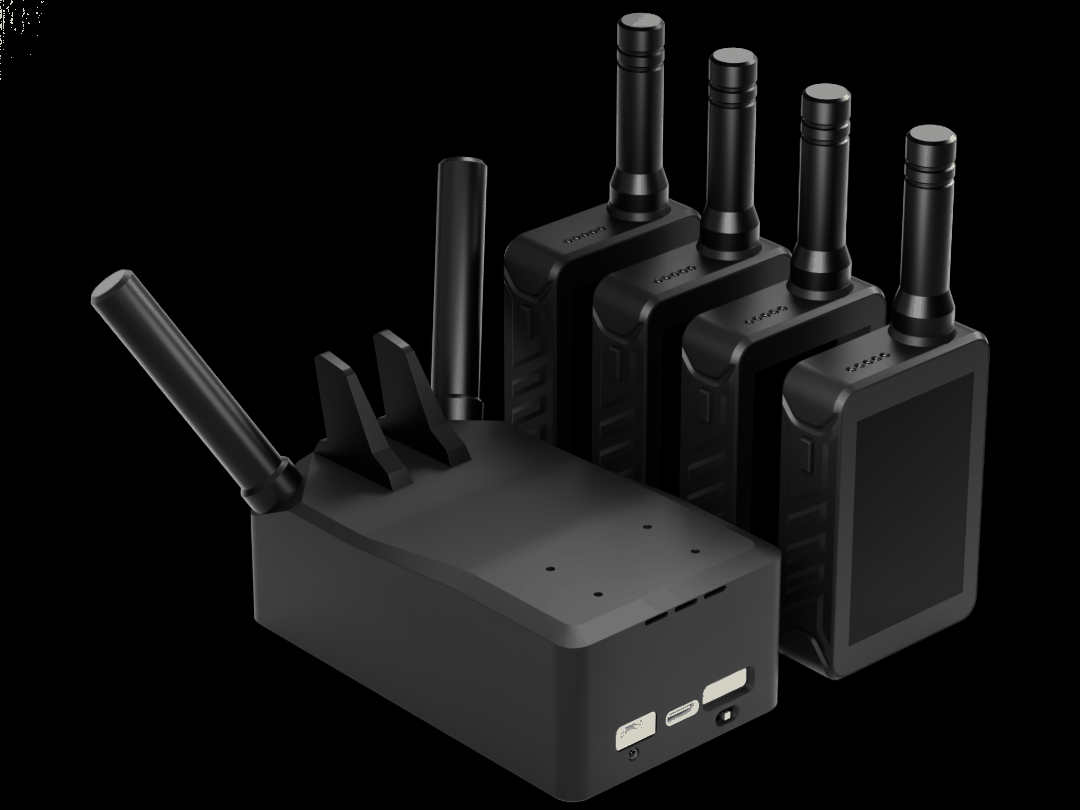
The Aero Future W1 from Jiangxi Aero Future Technology Innovation Group Co., Ltd is a complete shoulder-worn detection device for personnel conducting patrols, temporary security assignments and mobile coverage between fixed monitoring sites. Its compact architecture combines a broadcast-signal receiver, drone identification alerts and a high-intensity warning light in a 58 g unit that clips onto the shoulder. Switching it on starts reception and identification of nearby drone broadcasts, with alerts helping the wearer determine the aircraft’s direction. Operation requires neither a drone pilot nor a dedicated screen operator.

The W1 specifies a 1 km detection radius in the 2.4G band, with endurance of 6 hours in audible and visual mode or 10 hours in silent mode. It can operate alone for immediate detection and local warning; data retention or replay requires a receiving station or platform. Reception depends on antenna performance, obstruction and aircraft broadcast power. Identification declines substantially when compliant Remote ID broadcasts are absent or disabled. Its role is nearby detection and mobile gap coverage, without interference or countermeasures, rather than prolonged monitoring across a large area.
Cameras & sensors

Specifications

SpecificationValue & conditions
Product type and functionShoulder-worn drone detection device combining a high-intensity warning light with drone identification alerts.
MountingClips onto the shoulder for use without changing normal duty movements.
Complete-unit weight58 g
Operating endurance6 hoursAudible and visual mode.
Silent operating endurance10 hoursSilent mode.
Detection radius1 km in the 2.4G band.2.4G band; reception is affected by the antenna, environmental obstruction and the drone's broadcast power.
Applicable standardsGB 42590-2023; GB 46750-2025; ASTM F3411-22a.
Identification dependencyIdentification capability decreases significantly for aircraft that do not broadcast, have been modified, or have broadcasting disabled.The drone must broadcast a compliant Remote ID signal.
Operator requirementsDoes not require a professional drone pilot or a dedicated screen operator.
Standalone configurationCan operate independently for portable detection and local warning.Standalone use for personal detection and on-site warning.
Data integrationRequires a receiving station or platform for data retention or replay; standalone configuration is selected according to requirements.Data retention or replay is required.
Coverage limitationSuited to nearby detection and mobile gap coverage; cannot replace a fixed station for prolonged monitoring over a large area.Antenna and environmental reception limitations.
Environmental limitationsReception is affected by dense buildings and heavily obstructed terrain.Dense buildings or heavily obstructed terrain.
Functional boundaryDetects, identifies and locates drones broadcasting compliant Remote ID signals and provides high-intensity warning indications; provides no interference, countermeasures or intervention.

Related guides