Analog VTX
Compare analog VTX from Chinese manufacturers by band, output power, channels and weight, from 5.8 GHz FPV transmitters to 1.2 GHz and 3.3 GHz long-range units.
Analog VTX only: analog FPV video transmitters, from 5.8 GHz units for FPV quads to 1.2, 1.3 and 3.3 GHz transmitters for long range. Digital HD video systems and VTX with cameras or flight controllers built in are listed elsewhere.
Quick selection guide
FPV quads and racing
5.8 GHz analog VTX with SmartAudio or Tramp control, from 25 mW to about 2.5 W.
Long range
1.2, 1.3 and 3.3 GHz transmitters with higher output for longer range and better penetration.
Special bands
Transmitters on other bands for systems that must avoid busy frequencies.
5.8 GHz analog VTX
View all 6 →5.8 GHz analog VTX for FPV quads.
6 products from 3 manufacturers
Long-range analog VTX: 1.2 to 3.3 GHz
View all 35 →Long-range analog VTX on 1.2 to 3.3 GHz bands.
35 products from 4 manufacturers
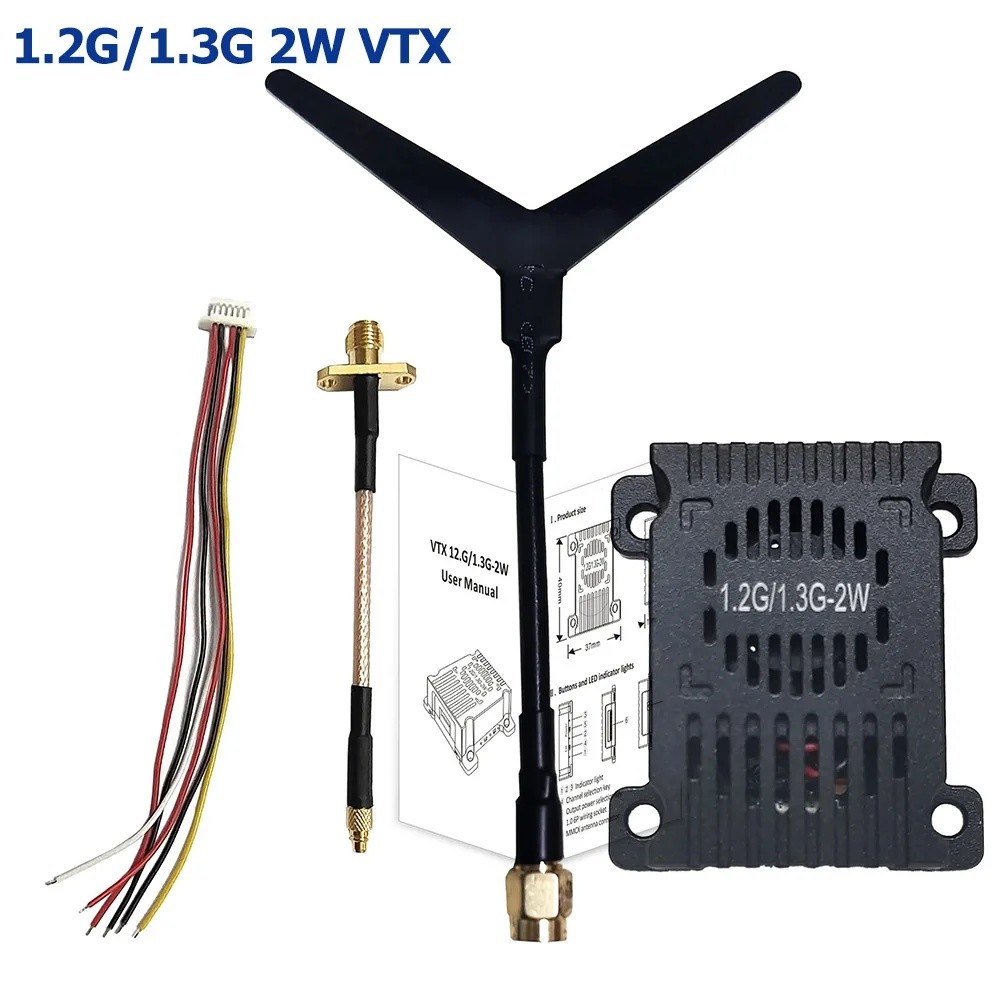
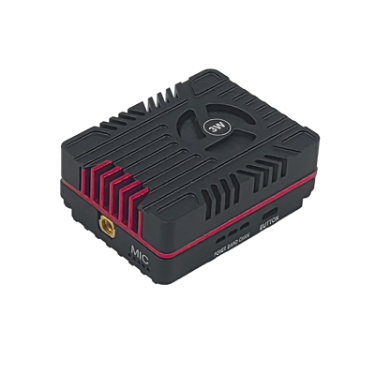
Kimpok 1.2G 1.3G 30km FPV Video Transmitter 1.2GHz 1.3Ghz 2W Analog VTX 8 Channels FPV VTX
- Channels
- 8 Channels
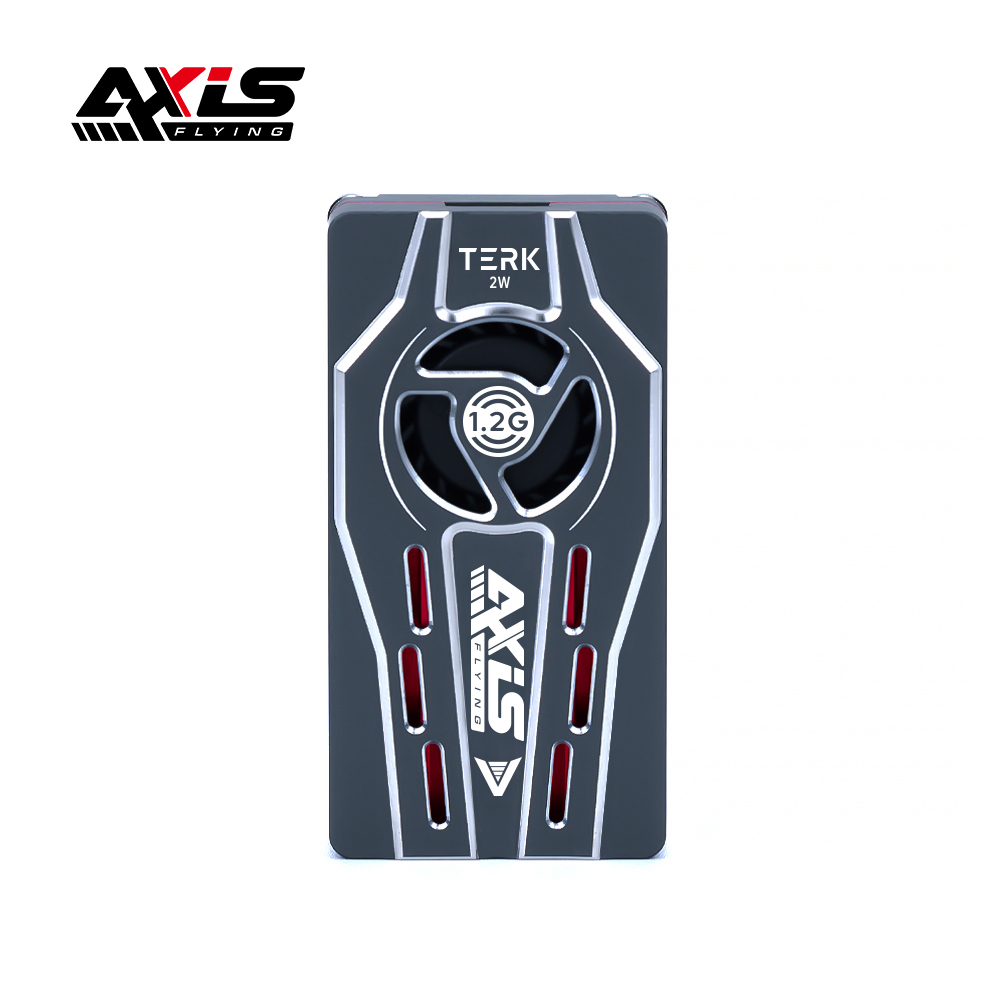
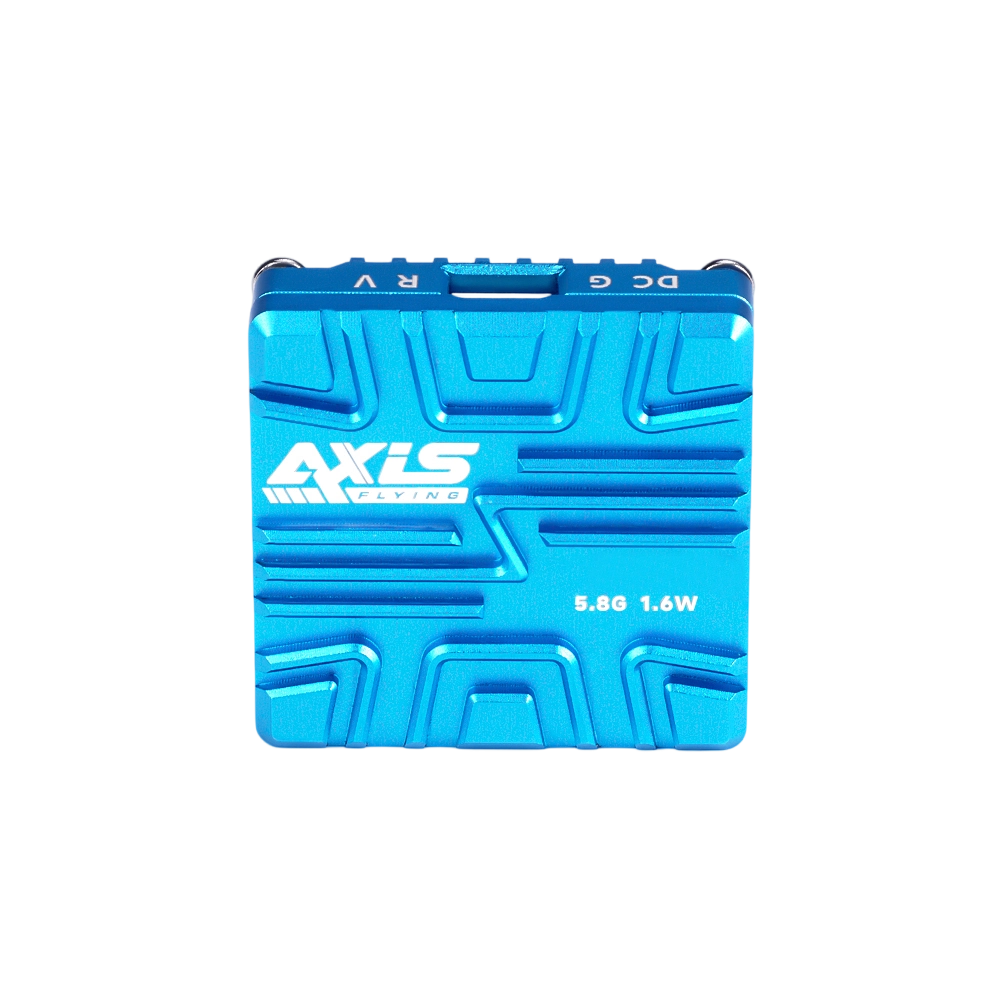
Axisflying TERK 1.2G 2W Analog VTX
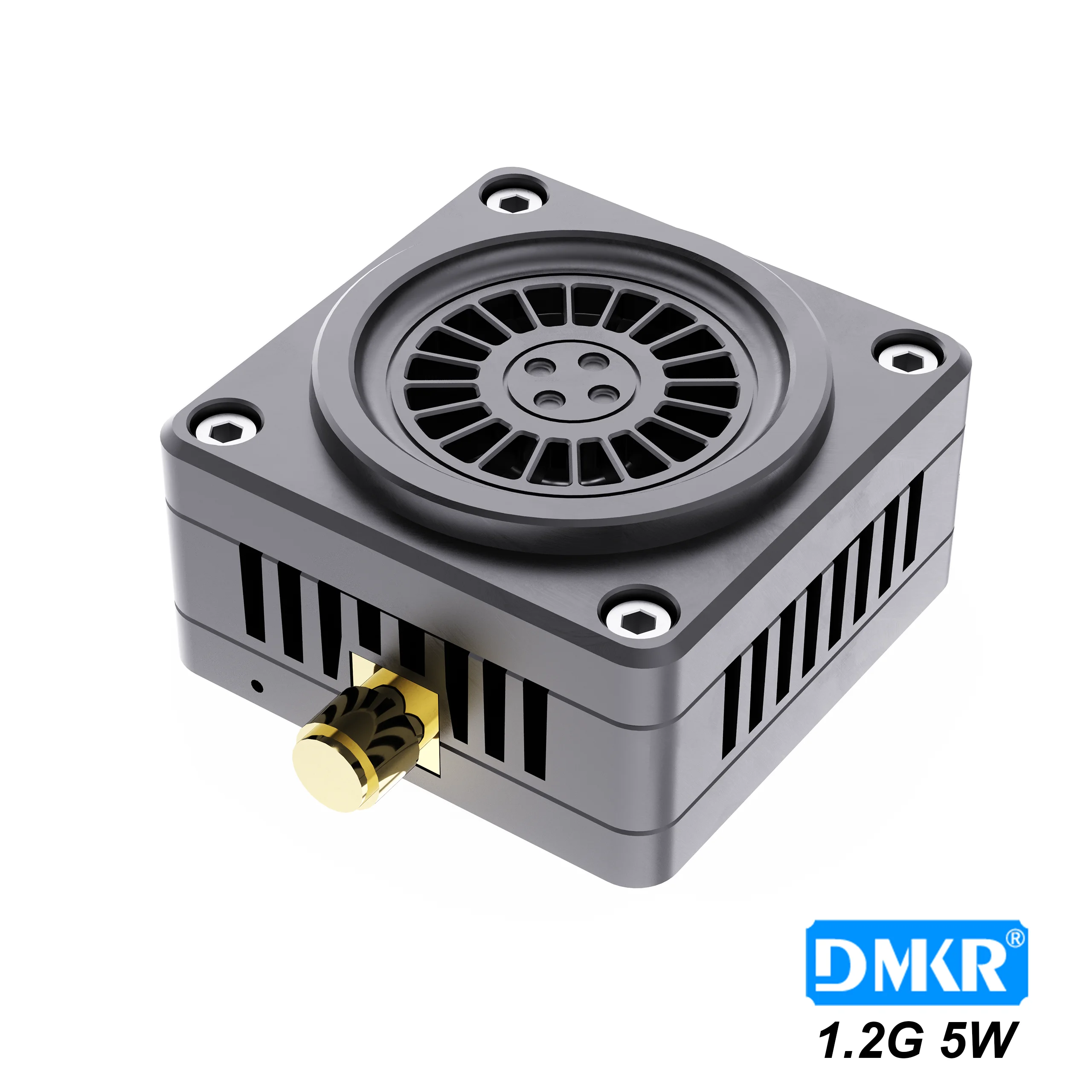
DMKR 1.2G 5W 9CH FPV Analog VTX
- Channel
- 9CH
- Input Voltage
- 7–36 V DC (2–8S LiPo)
- Weight
- 38 g
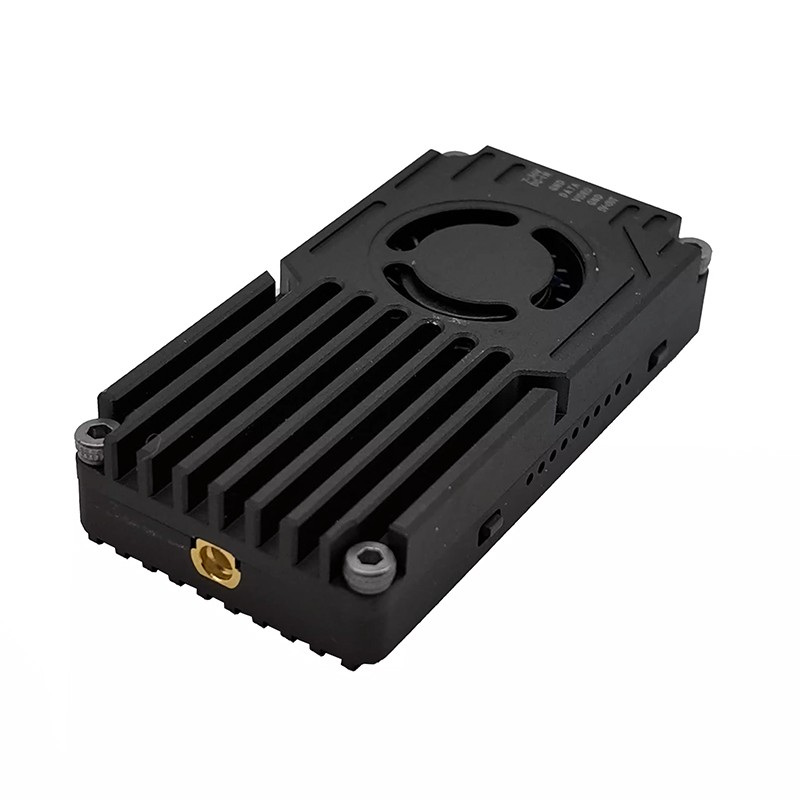
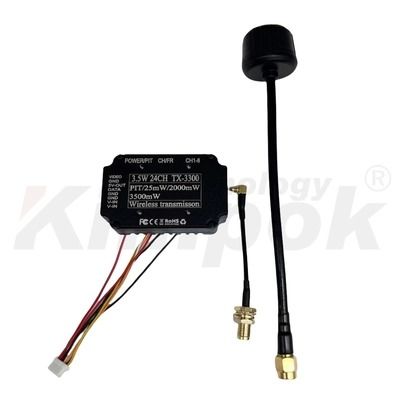
FLYTO 3.3G VTX 2.5W 16CH Wireless Analog Video Transmitter
- Weight
- 20g.
Analog VTX on other or unstated bands
View all 25 →Analog VTX on other bands, such as 6 to 8 GHz, and listings that state no band.
25 products from 4 manufacturers
What to check before you buy
- Band and channels
- Match the band and channels to your video receiver or goggles.
- Output power
- Higher power adds range and heat; check the power levels and local limits.
- Input voltage
- Check the input range against your battery or regulated supply.
- Control
- SmartAudio or Tramp lets you change channel and power from the flight controller.
- Cooling and size
- High-power VTX need airflow or a heatsink; check the mounting size.
- Antenna connector
- Check the antenna connector type and use an antenna for the same band.
Analog VTX FAQ
Analog or digital VTX?
Analog VTX have very low latency; digital systems give a sharper image. Check that the receiver or goggles support the same system and band.
Why use 1.2 or 3.3 GHz?
Lower bands travel further and pass obstacles better than 5.8 GHz but need larger antennas.
Do I need a licence for a high-power VTX?
In many countries yes; check the rules for the band and power you use.


